When we think of the department of Vosges we usually think of the eastern part of the department: the Vosges massif with its lakes and firs.
This fall I had the opportunity to explore the western part of the department: the Vosges plain. A bit more unknown part, flatter but full of heritage to discover.
In this article, I invite you to explore this region.
Disclaimer: this article is the result of an unpaid commercial collaboration with the Vosges Tourist Office (invitation). I remain free of editorial line and the opinions expressed in this article are my own.
This article contains affiliate links. You don’t pay more by booking through them, but I do receive a small commission that helps support the blog.
What to see on the Plaine des Vosges?
Archeological site Grand
Despite having lived for 3 years in Nancy and staying several times in the department of Vosgesnever heard of Gallo-Roman city of Grand. It is hard to imagine today in this village inhabited by a hundred souls on the border of the Meuse department that we found one of the most important cities of Gaulle there in the 1st century AD.
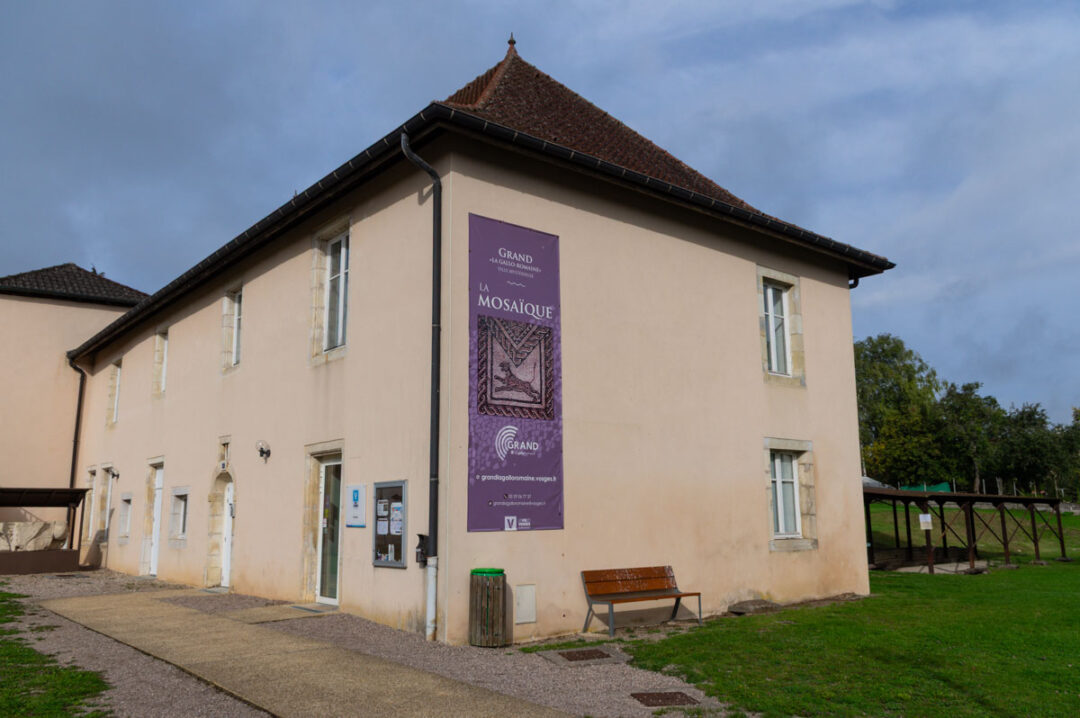
Archaeological Museum Grand
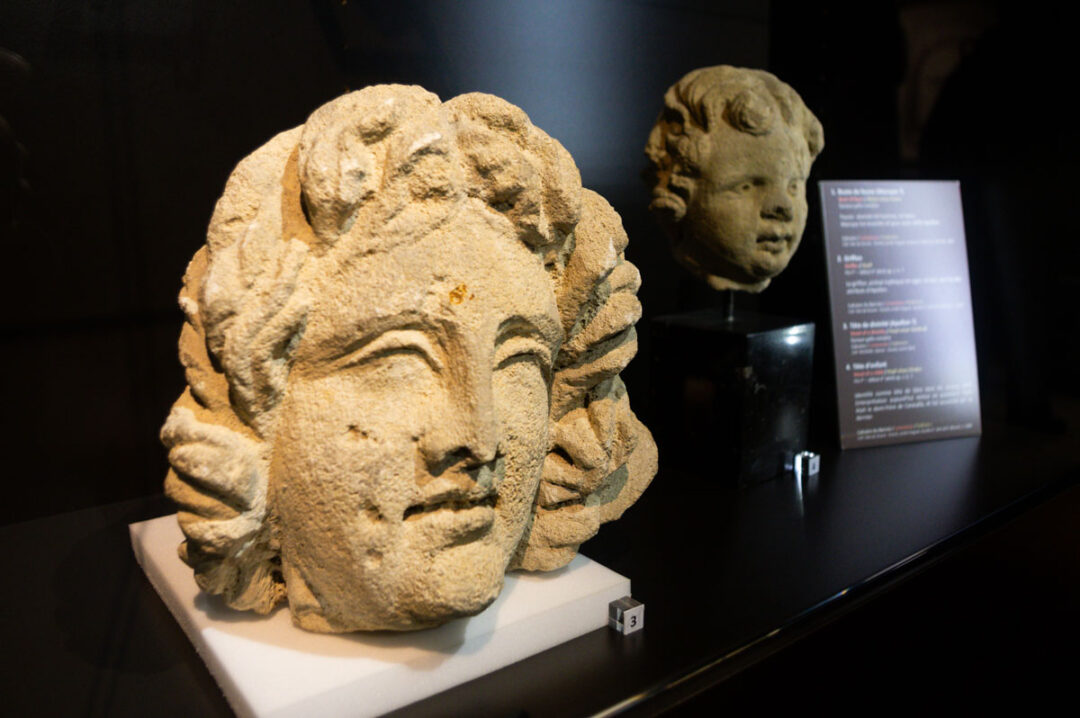
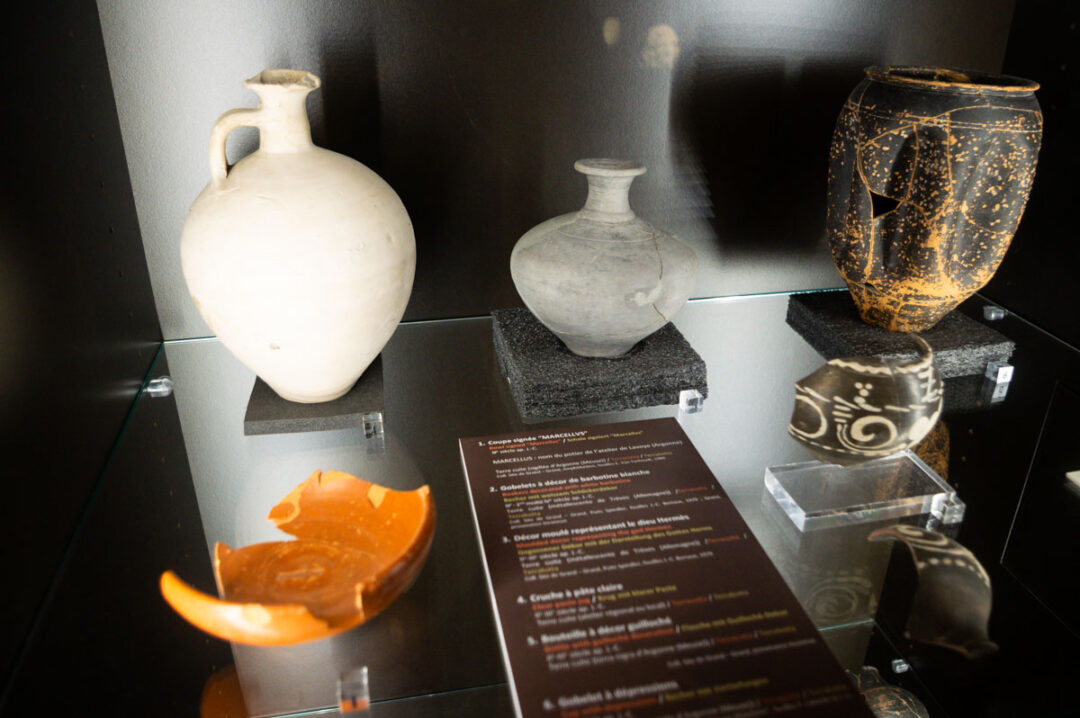
The A big visit starts at level Archaeological Museum. There you will find a basic visit guide and the keys to understanding what could have drawn our ancestors, the Gauls, to this corner of the Vosges where there is no visible watercourse. At its peak, the city had up to 20,000 inhabitants!
The museum is a good introduction to the tour of the archaeological remains of Grand, and you will discover in particular monumental mosaic.
Large mosaic
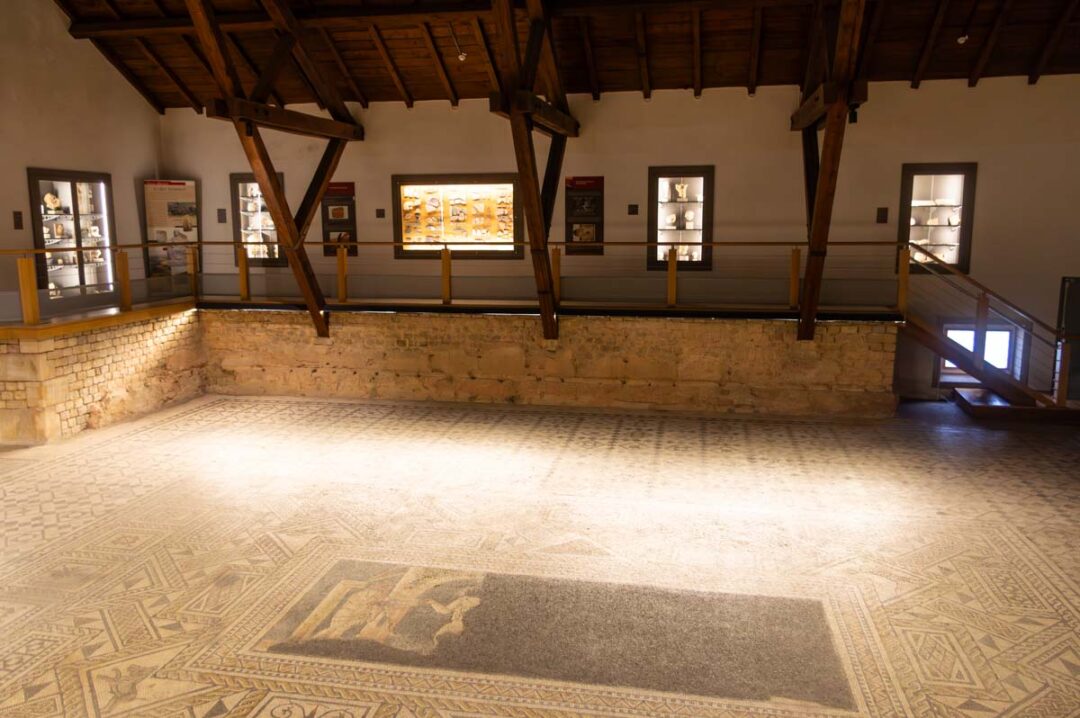
After passing through several rooms of the small museum, you will reach further monumental mosaic which is one of Grand’s treasures. It is truly amazing that a mosaic of this size is so well preserved. It was discovered by accident in 1820 during construction work on the house.
The discovery is absolutely huge: a mosaic of more than 2,000,000 tesserae covering an area of 230 m²! It’s simpleone of the largest ancient mosaics in Europe !
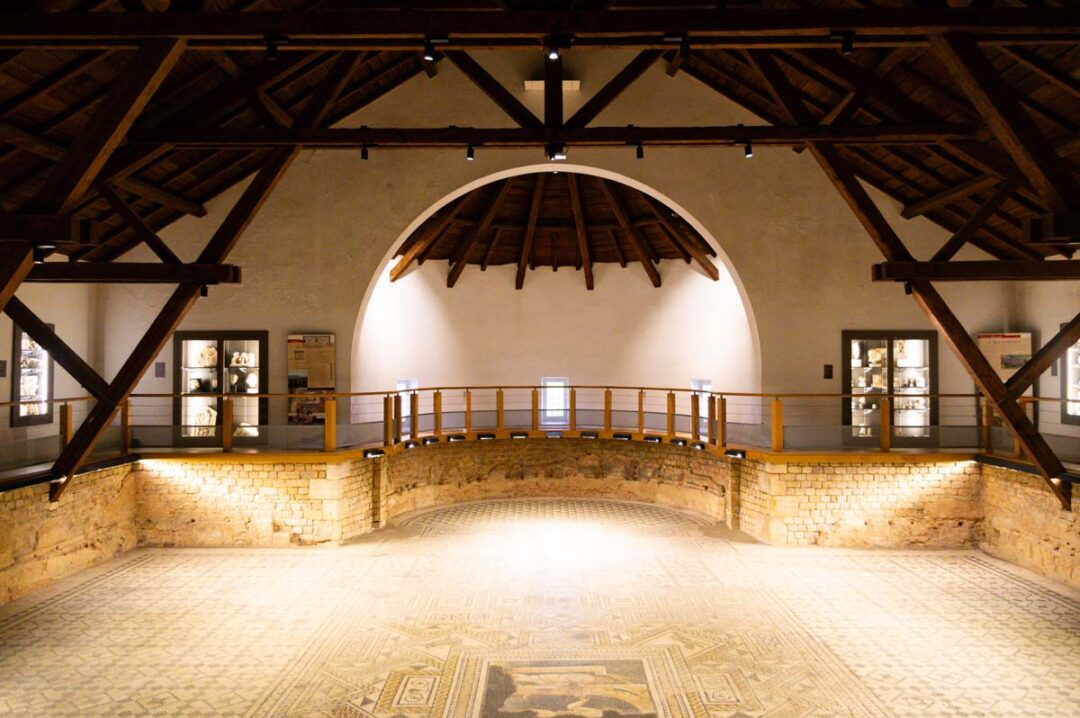
Archaeologists believe that this mosaic could cover the groundancient Roman basilicawhich was a place of commercial, judicial and political power. Unfortunately, the emblem, the central ornamental motif, which could have provided valuable clues to the use of the piece, is the only part of the mosaic that was badly damaged.
Great amphitheater
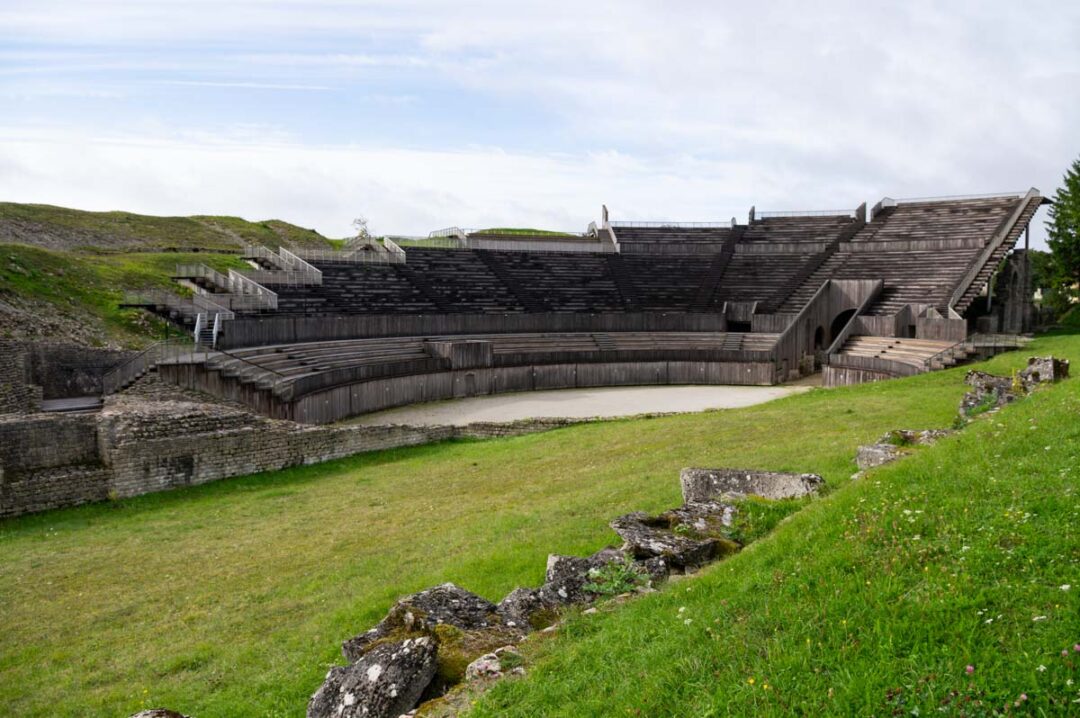
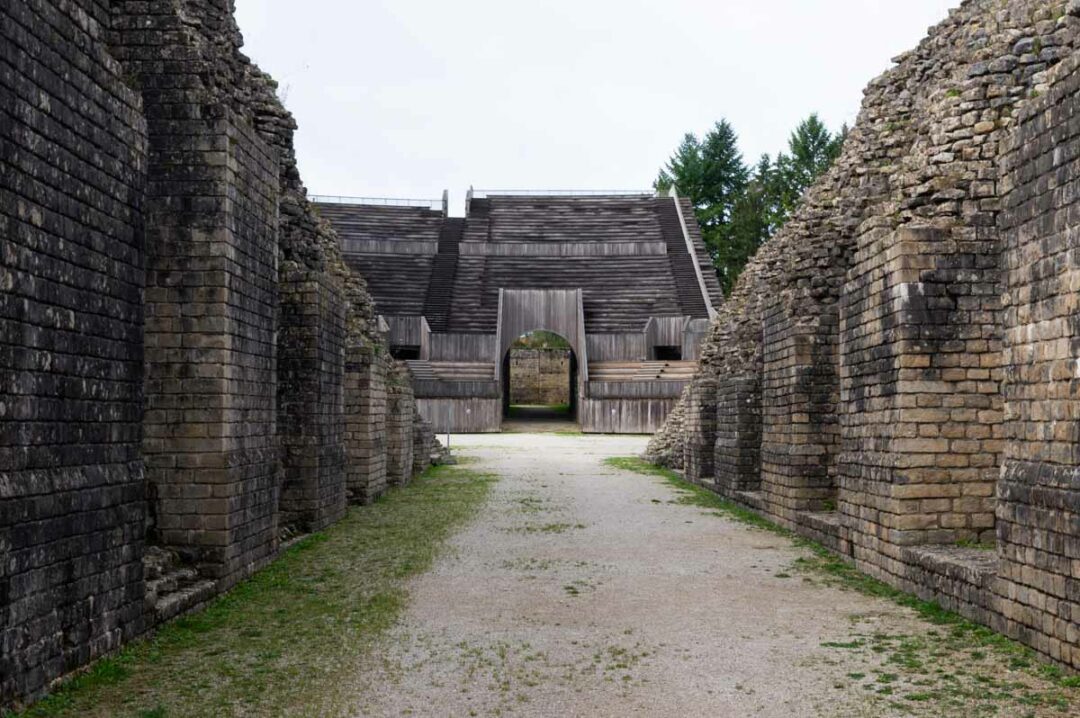
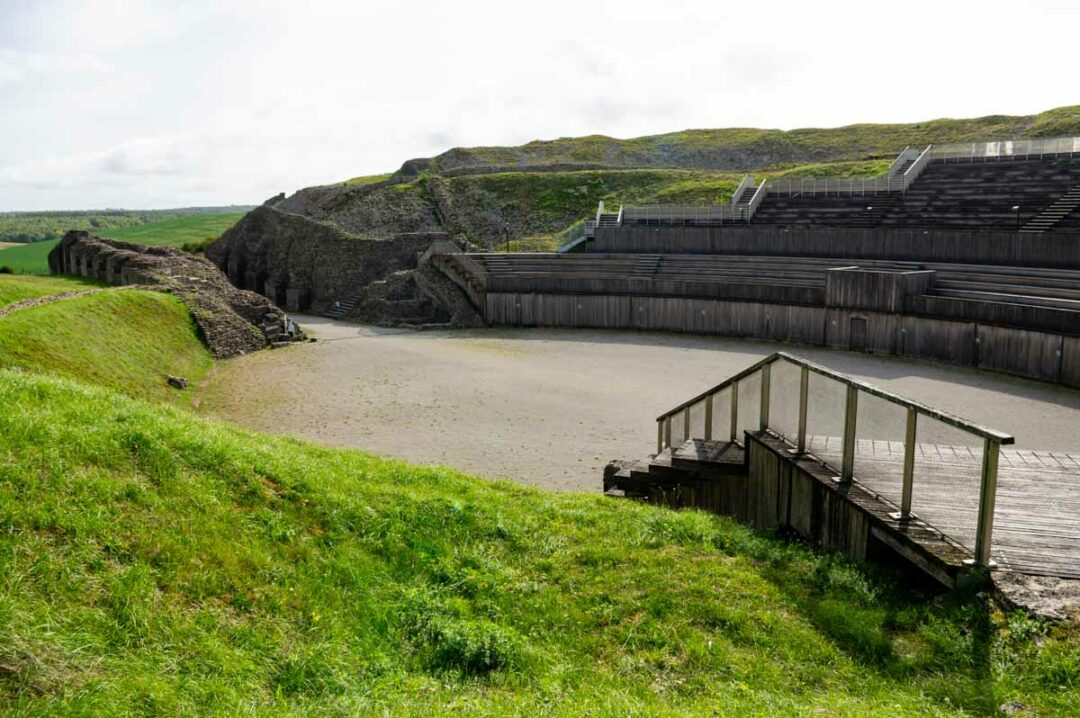
Following the path of discovery suggested by the tour guide, you will be able to come Great amphitheater. This one doesn’t look like much today as it was unfortunately used as a quarry over the centuries.
Great amphitheater either during antiquity 8. of the Roman world. It was bigger than Arles or Nimes and could hold more than 18,000 spectators!
With abandon the Gallo-Roman city of Grandthe stones of the amphitheater were used to build other buildings and little by little the monument was buried in the ground until it was completely forgotten. It was rediscovered by accident in the 1960s when village children discovered the wall. The site is so gigantic that it took 18 years to excavate it!
The wooden stands were installed during the restoration of the monument in the 1990s. These racks help protect the stones from bad weather (water seeping into the stones and freezing caused irreversible damage). Performances are organized in the summer in this exceptional setting.
Domremy-la-Pucelle: in the footsteps of Joan of Arc
My stay at Vosges plain continues with the visit Domremy-la-Pucelle 20 km from Grand.
Good deal: the combined ticket allows you to visit the Gallo-Roman city of Grand i Birthplace of Joan of Arc.
Basilica of St. Joan of Arc
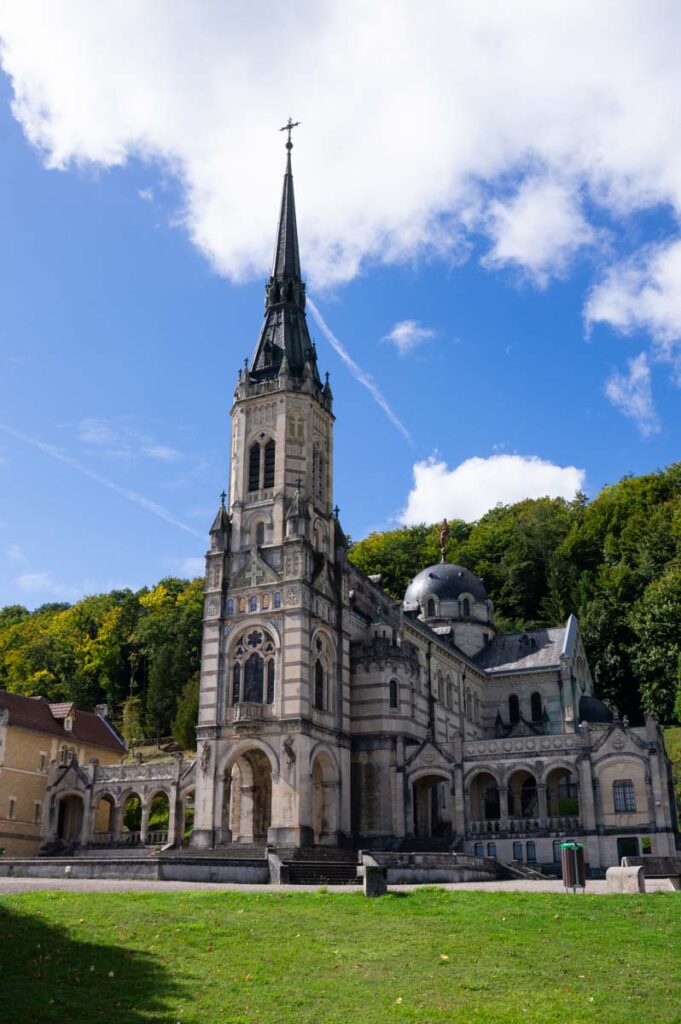
On the way to Domremy, I recommend stopping at Basilica of St. Joan of Arc built on a height that dominates the Vosges plain. It is a monument erected at the end of the 19th century.
Birthplace of Joan of Arc
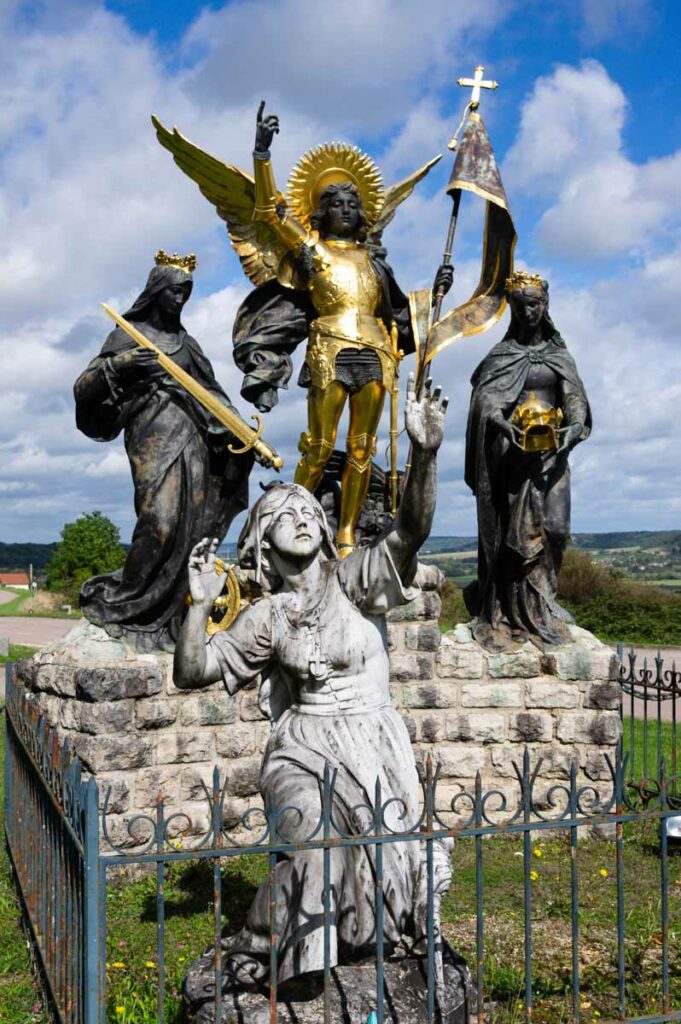
Then go to birthplace of Joan of Arca very interesting visit to learn more about the Maid of Orleans who helped the King of France fight the English during the Hundred Years War.
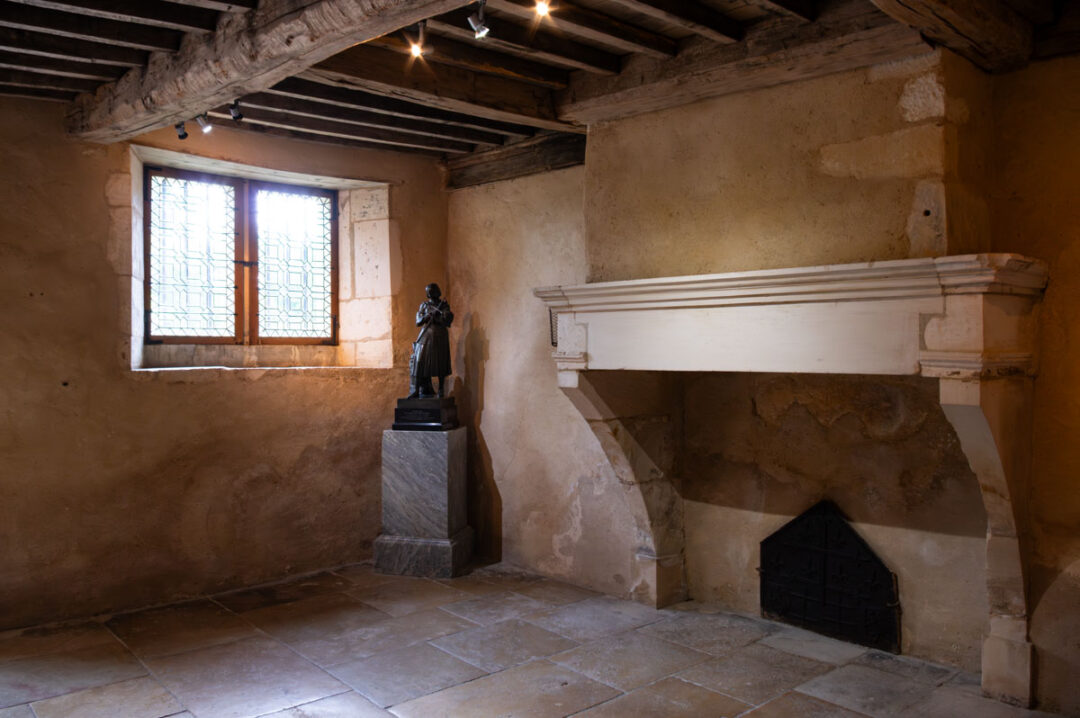
It is not so much interesting to discover the interior of the house (there is nothing left inside), but a visit that allows you to discover the story of Joan of Arc.
For example, I found out that she was not a shepherd at all (although there are many sheep next to the house that are still there today). She would rather be the daughter of a ploughman’s family, which was a much higher social class in the Middle Ages.
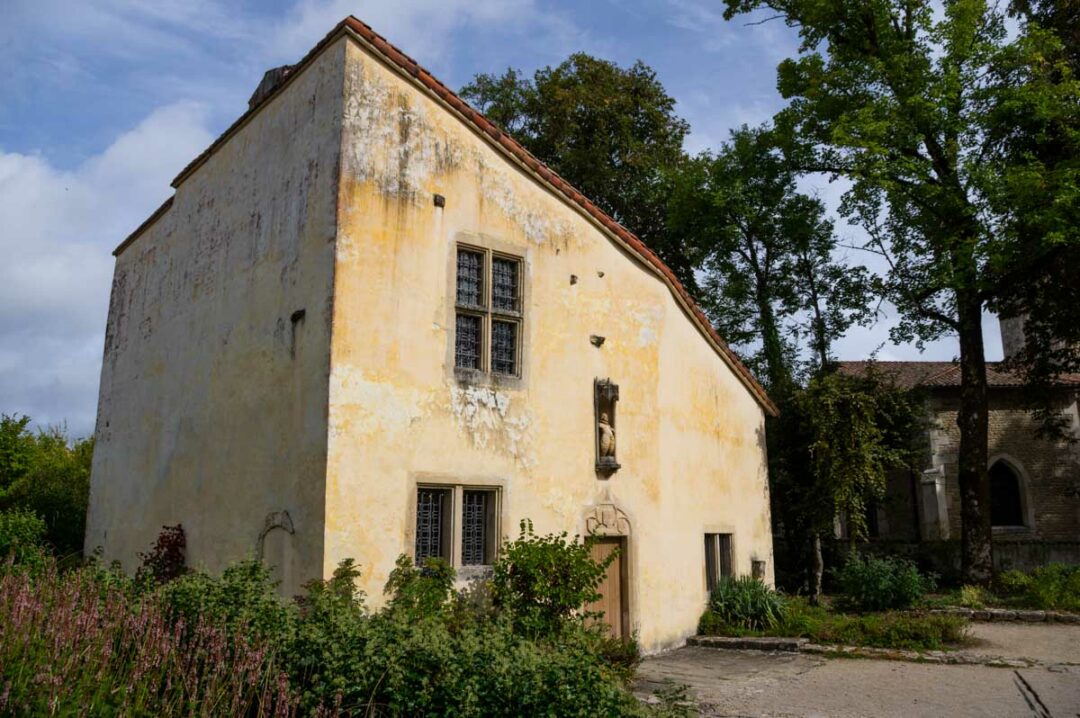
It is in the garden of the house, near the church Joan of Arc would hear voices calling him to liberate the Kingdom of France. A commemorative plaque was erected at this location.
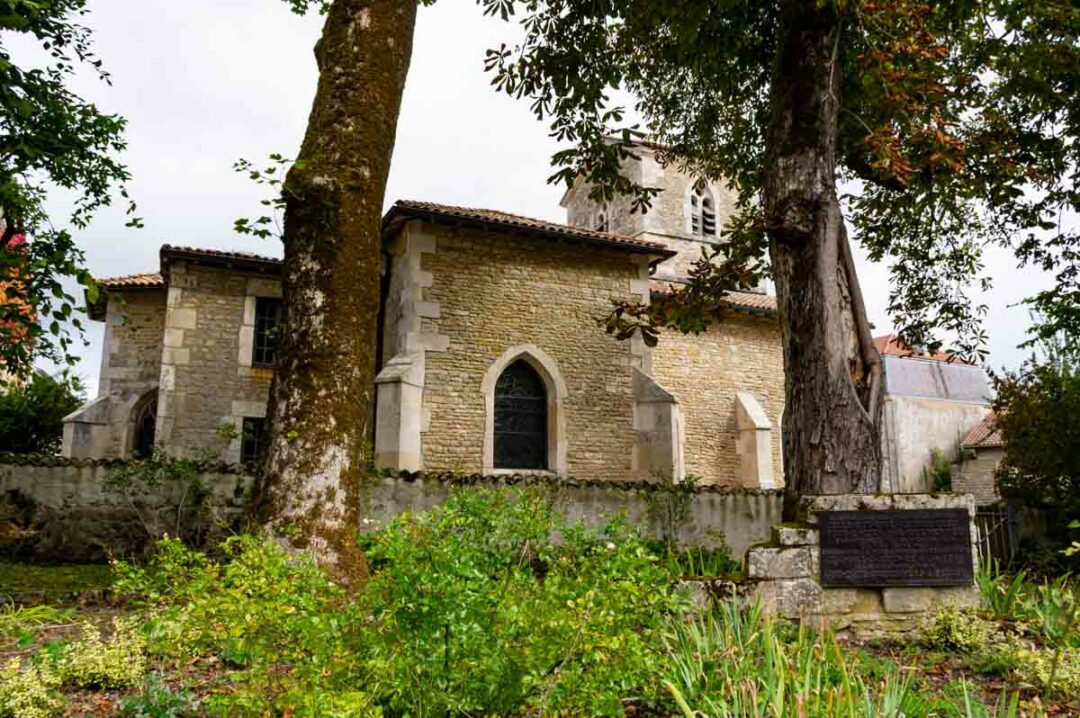
I really enjoyed this visit because it allowed me to discover the figure of Joan of Arc which I actually knew very little about. It is truly impressive to discover the determination of this young girl who ran away from home several times to first convince Robert de Baudricourt, the local lord of Vaucouleurs, to enroll her in the troops of the Dauphin of France.
Endowed with great charisma, after months of ruthlessness, she will eventually be taken seriously and given him an entourage of 6 men who will remain faithful to him throughout his journey.
Mirecourt: the French violin capital
How did Mirecourt, a small village in the Vosges, become one of the epicenters of violin production?
The last phase of this stay in the Vosges plain : city Mirecourt where stringed instruments have been produced without interruption since 1602.
at that time, Mirecourt is part of the Duchy of Lorraine, which will be an independent state until 1766. The Dukes of Lorraine are museum lovers and will bring musicians and luthiers from Italy. However, they prefer to settle in the small town of Mirecourt rather than Nancy. They then joined forces with the drapers’ and dyers’ guild with whom they had many trades (especially extracting sheep’s guts to make bows and violin strings).
Another advantage of Mirecourt: luthier wood is easily available in the area, light wood, easy to work and has good resonance quality.
Today we find it here National School of Violin Making where luthiers from France are trained after a three-year course, which enables the continuation of the tradition of violin making.
Visit to the violin making museum
Located in the heart of the city center, museum of violin making will allow you to discover the knowledge of music making, especially stringed instruments.
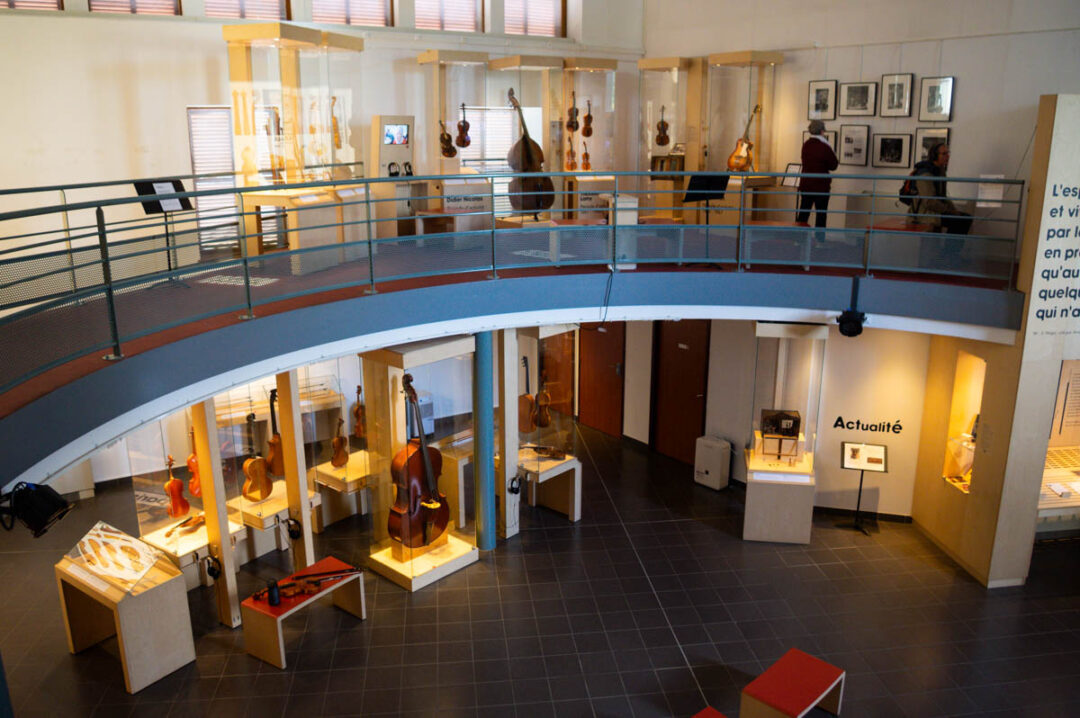
The museum is structured around several themes: different stringed instruments, stages of the production of stringed instruments and bowstringers, the making of violins in Mirecourt, etc.
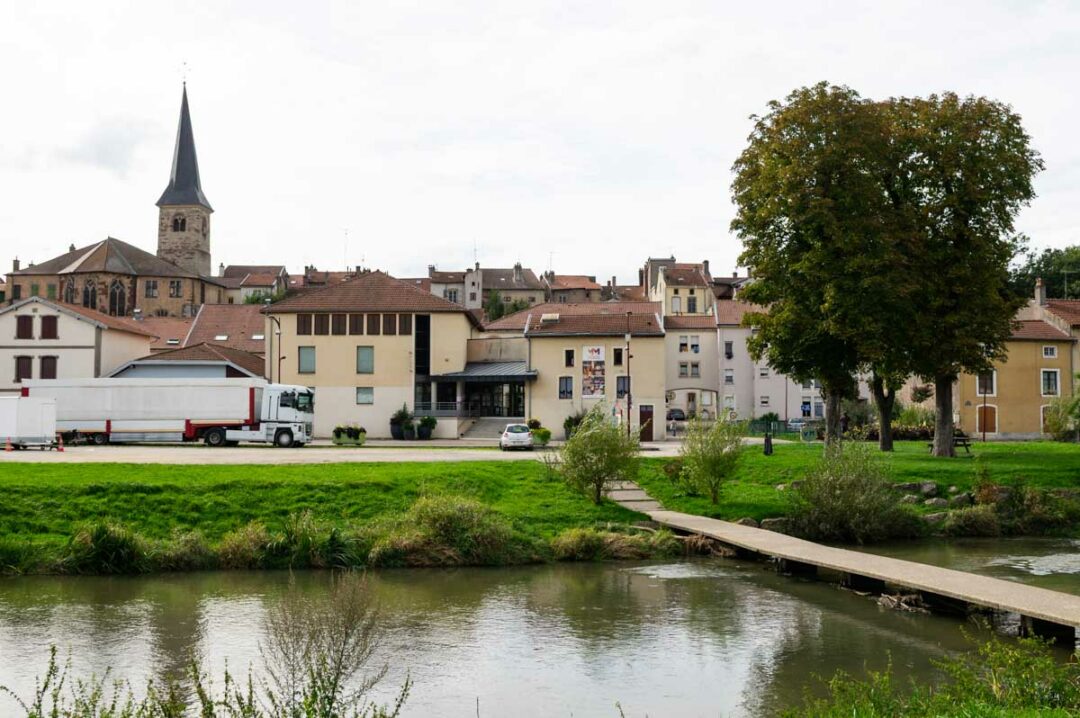
A visit to the museum engages the senses with video sections, listening to music, as well as tactile sections.
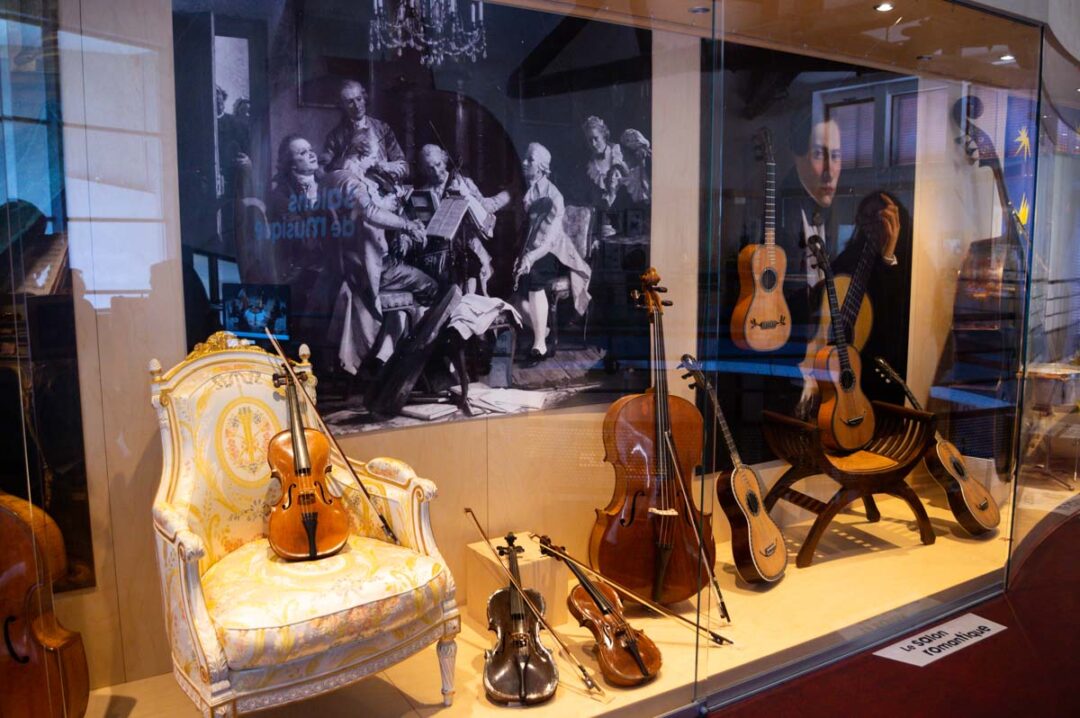
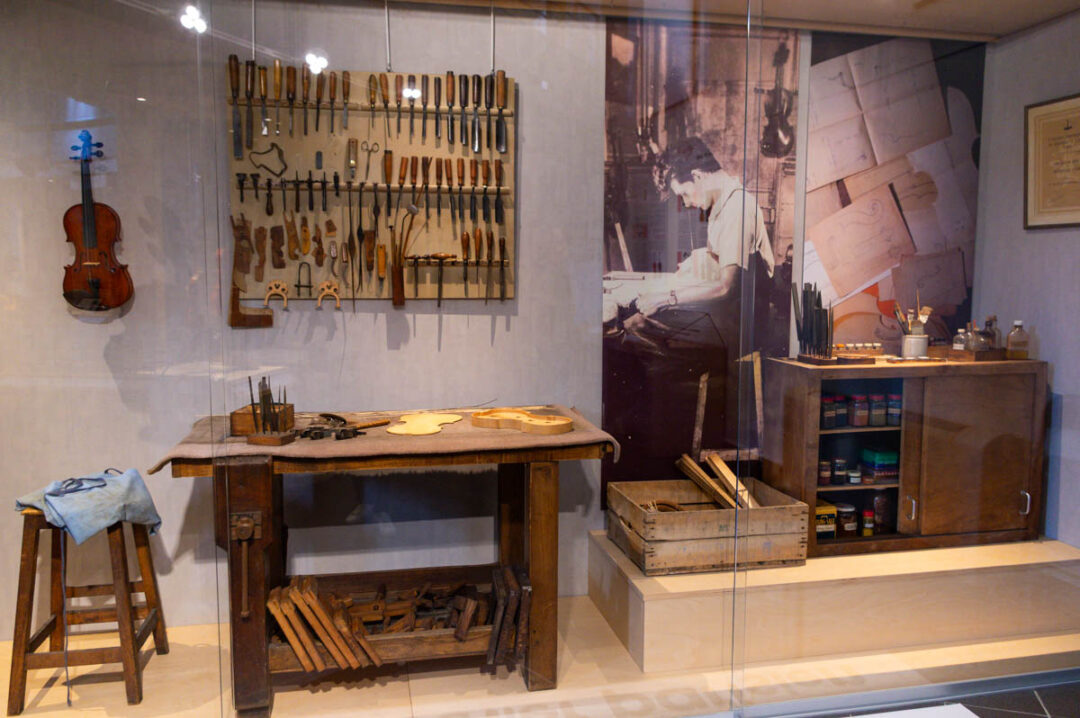
Visit to the old violin workshop
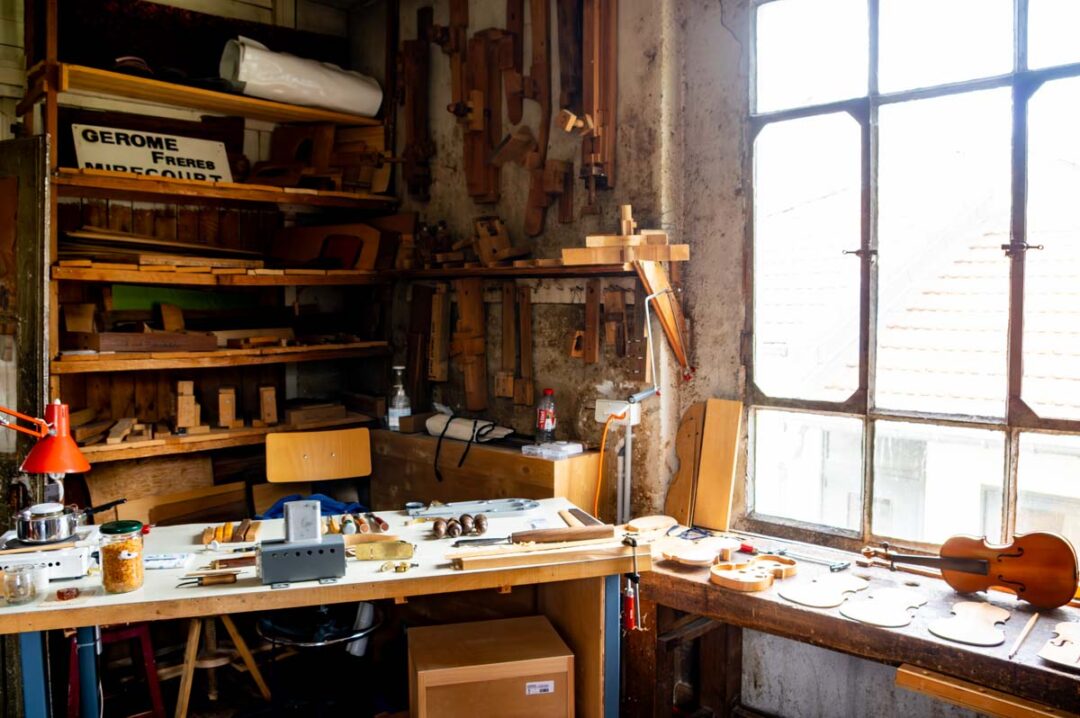
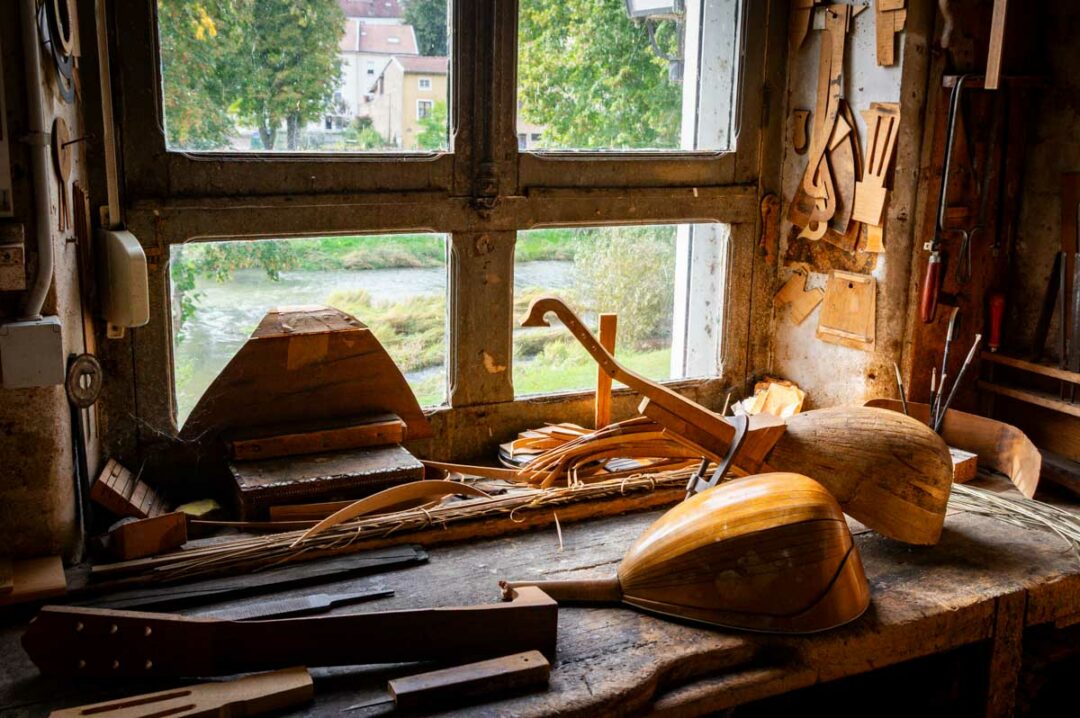
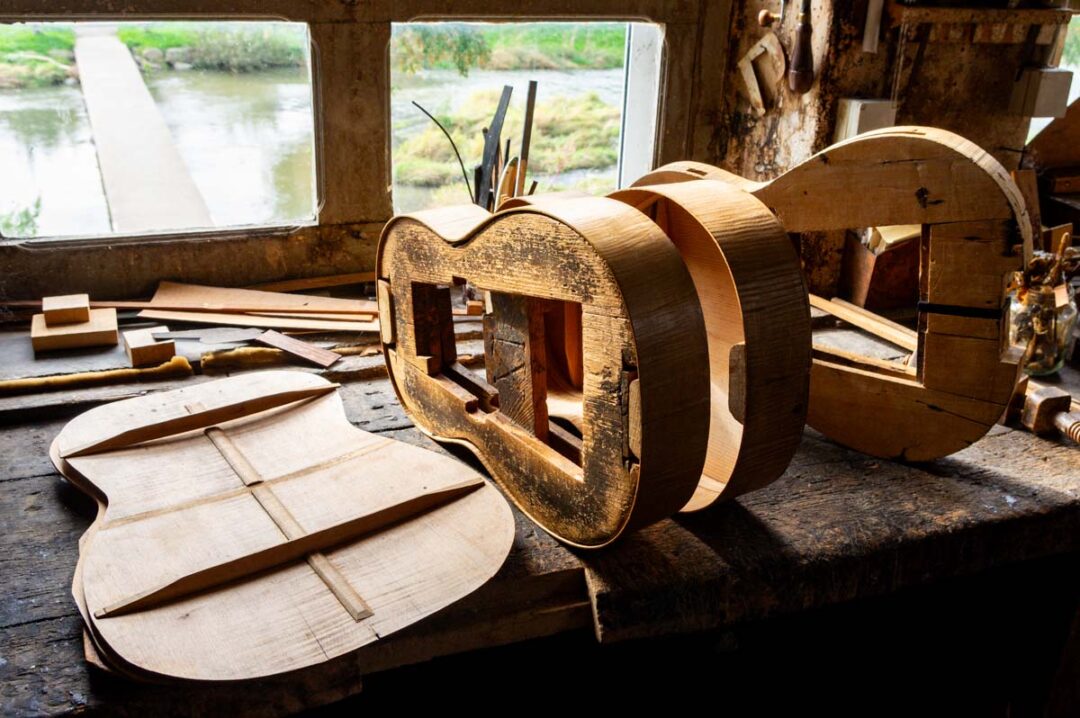
Museum of violin making organizes guided tours old Gérome workshop. These 45-minute visits allow you to visit a guitar or violin making workshop. Schedules and booking information can be found at museum website.
My good addresses for a weekend in the Vosges plain
Where to eat in the Vosges plain?
The Vosges are a gourmet department that I had the opportunity to enjoy. Here are two addresses that I was able to test and recommend to you with your eyes closed.
Restaurant la Marmite in Greux
Restaurant The Marmite de Greux is located a stone’s throw from the village of Domremy-la-Pucelle. I recommend this address for lunch after visiting the birthplace of Joan of Arc.
If the restaurant doesn’t look like much from the outside, it’s a great address. Better to make a reservation because the restaurant is often full. The price-quality ratio is simply exceptional.
As an appetizer, I recommend lightly roasted smoked salmon, which is a specialty of the restaurant. It is absolutely amazing in terms of taste and texture. Maybe the best salmon I’ve had in my life.
I continued my meal with duck breast which was also delicious. The meal ended with a lemon meringue cake, surprisingly light (this was good because at this point in the meal I was no longer very hungry).
La Marmite, 3 rue Jeanne d’Arc, 88630 Greux
Vincey Relay
Another gastronomic address that you can discover in the Vosges plain is Vincey relay it is located about a twenty minute drive from Mirecourt, halfway between Nancy and Epinal.
I went with the fish ceviche for starters. I then proceeded with the vegetarian option for the main course which was a little disappointing although it was very good. It was a stir-fried vegetable dish that lacked originality and protein. On the other hand, the meal ended in apotheosis with an absolutely incredible chocolate and pistachio dessert, perfectly combined flavors and textures.
I wasn’t very hungry that day, so the portions were enough for me, but it should be noted that although everything is delicious, the address risks disappointing big appetites.
Le Relais de Vincey, 33, rue de Lorraine, 88450 Vincey
Where to sleep in the Vosges plain?
The town of Neufchâteau is the largest town in the Vosges plain. It is an ideal base and central enough to move around. As for me, I stayed one night Hotel l’Evidence in Neufchateau. It is a 3-star hotel-restaurant, offering standard comfortable rooms.
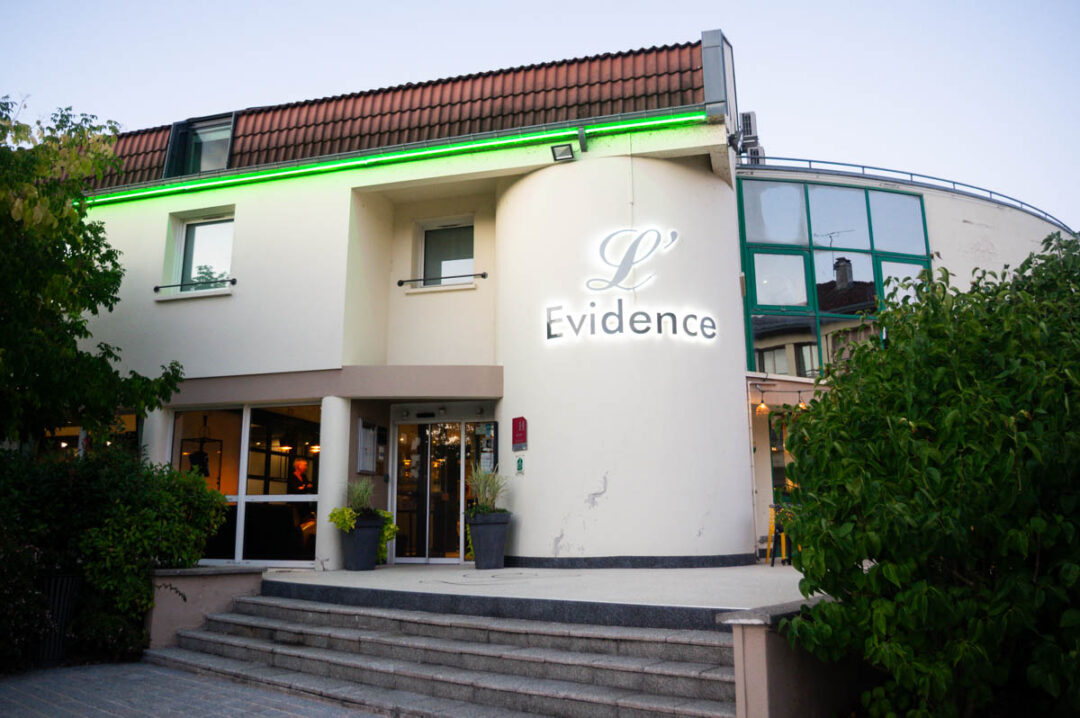
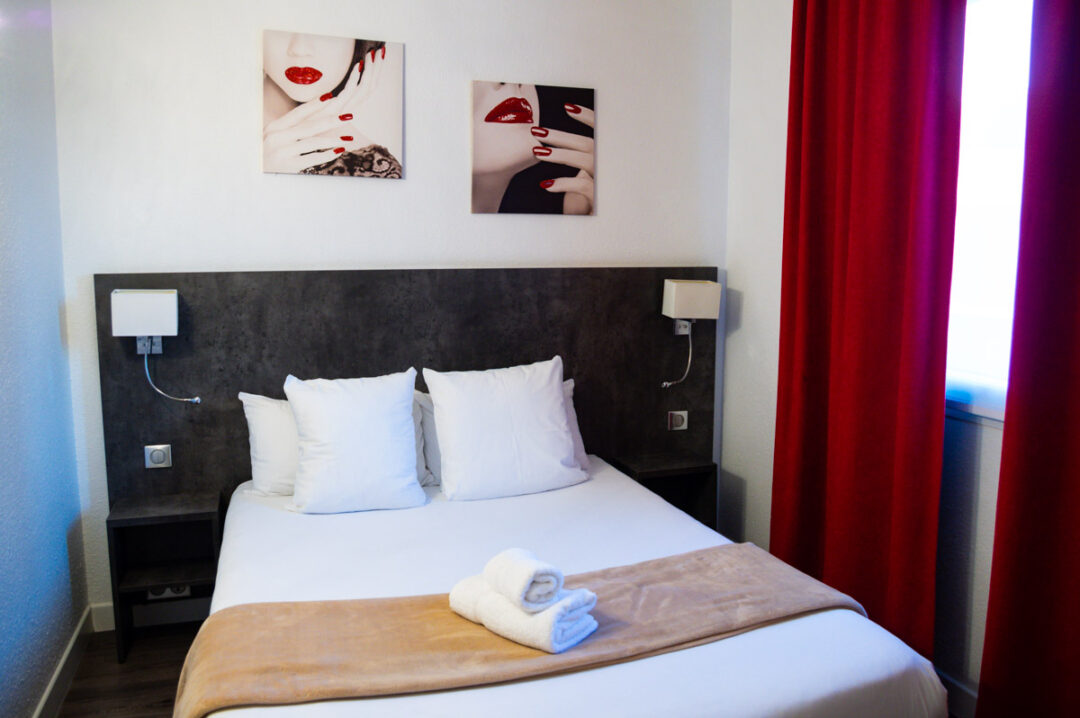
The establishment has two restaurants: a tavern and a restaurant labeled Maitre Restaurateur. I had dinner on the side of the restaurant. I really recommend an address that offers a starter/main/dessert menu (€25 in 2025) with value for money that I haven’t seen in a long time.
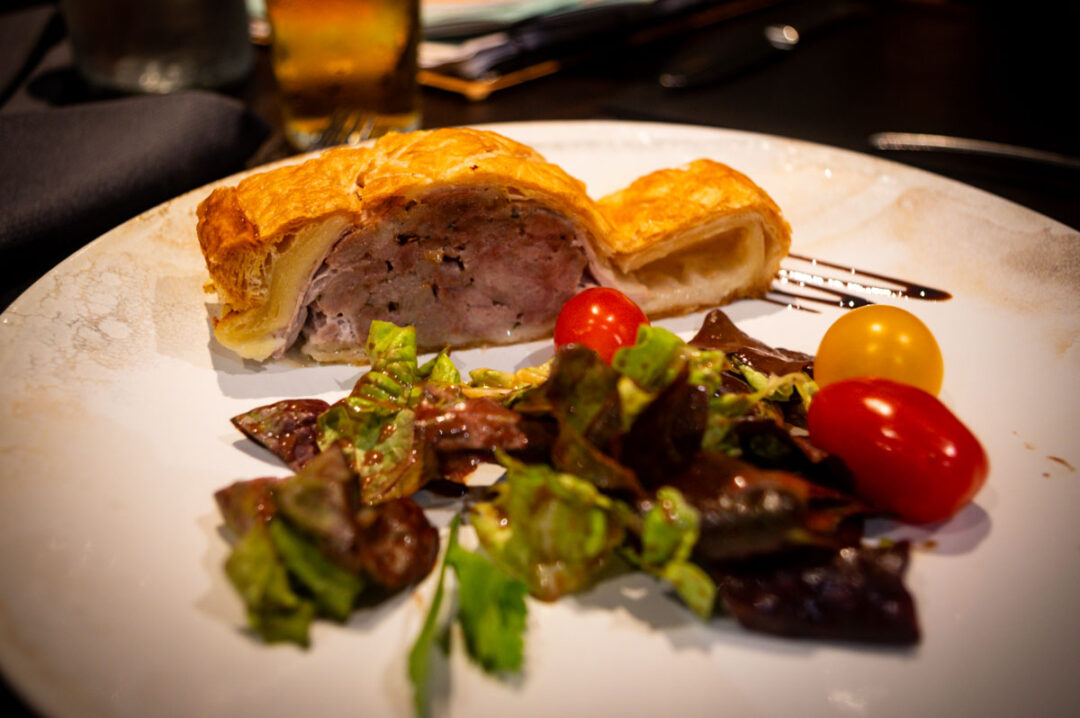
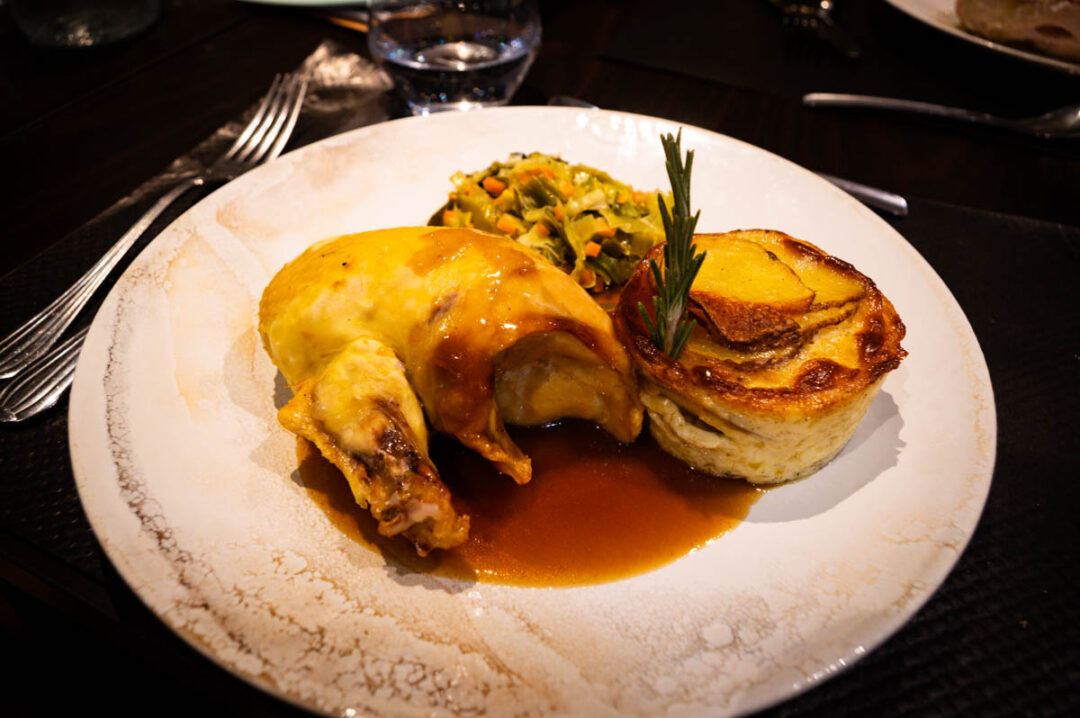
The dishes were plentiful and delicious. For starters, I opted for the Lorraine paté au gris de Toul, a specialty of the region. The meal continued with superb yellow chicken cooked at a low temperature with gratin dauphinois and seasonal vegetables. This dish ended on a sweet note with a very light and airy tiramisu. I can tell you that I wasn’t hungry after that!
Also read
Find my other articles here to continue discovering the Vosges department: