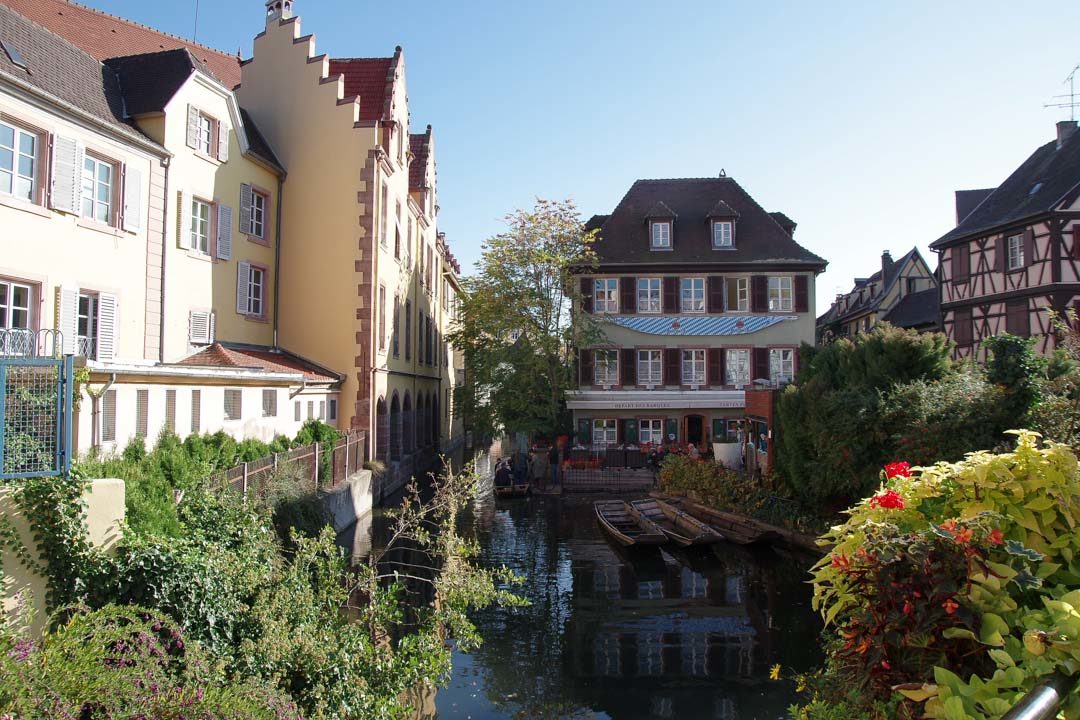
Located in the heart of the Alsace plain, between Strasbourg and Colmar, a small town seleste is an ideal base for holiday in Alsace. It is a quiet town, much less touristy, yet with an important history and rich heritage to discover.
In this article, I invite you to discover what to do and see in Sélestat in one day.
Disclaimer: this article is the result of an unpaid commercial collaboration with the Humanist Library and the Sélestat Ville d’Art et d’Histoire. However, I remain free from the editorial line and the opinions expressed in this article are my own.
A practical guide to visiting Selestat
How to get to Selestat?
City Seleste it is located 50 km from Strasbourg and 25 km from Colmar. It is very well served by train from these two cities thanks to the SNCF TER Grand Est network. They are frequent and fast.
It takes approximately 20 minutes by train from Strasbourg and 10 minutes from Colmar. In short, it is very practical.
Book your train to Sélestat with Trainline
Where to sleep in Sélestat?
If Sélestat remains a small town that can be visited in 1 day, its strategic location in the heart of Alsace makes it an excellent base point for discovering the entire region (either by train or car).
Here are the accommodation options if you want to extend your stay in Sélestat:
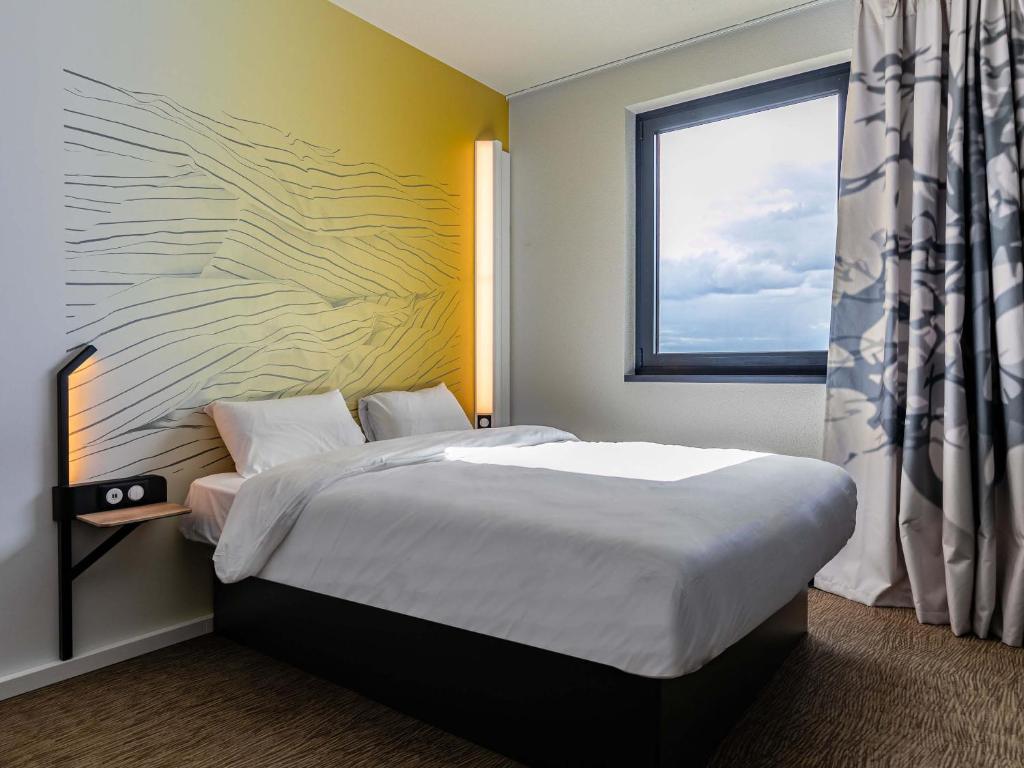
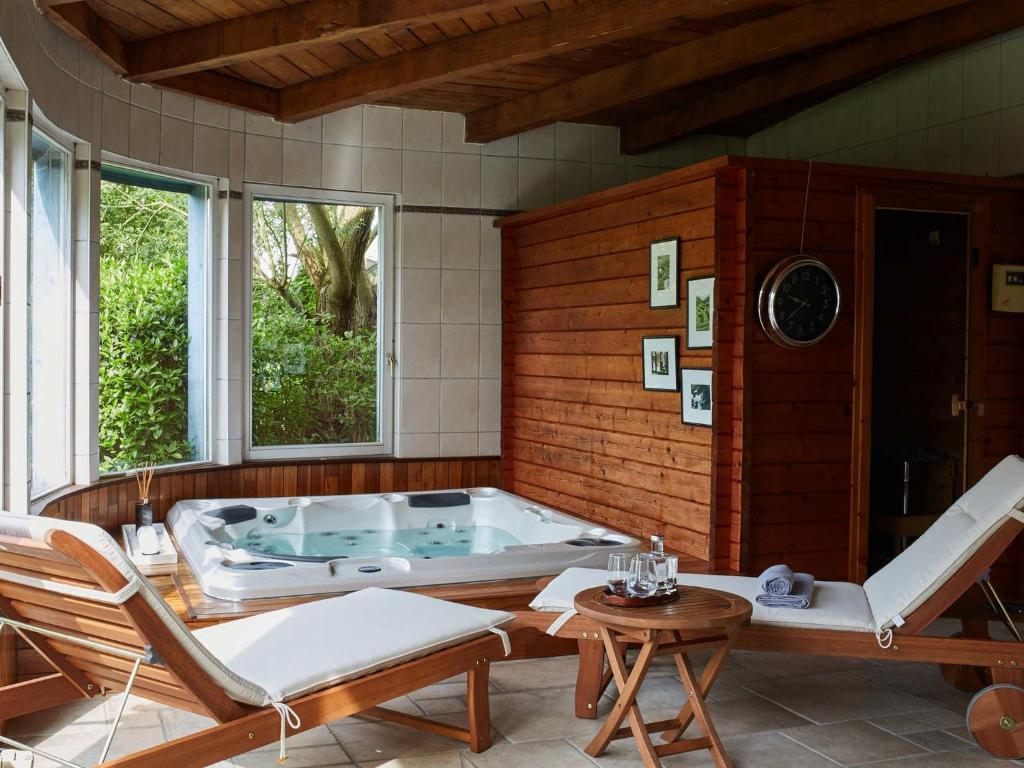
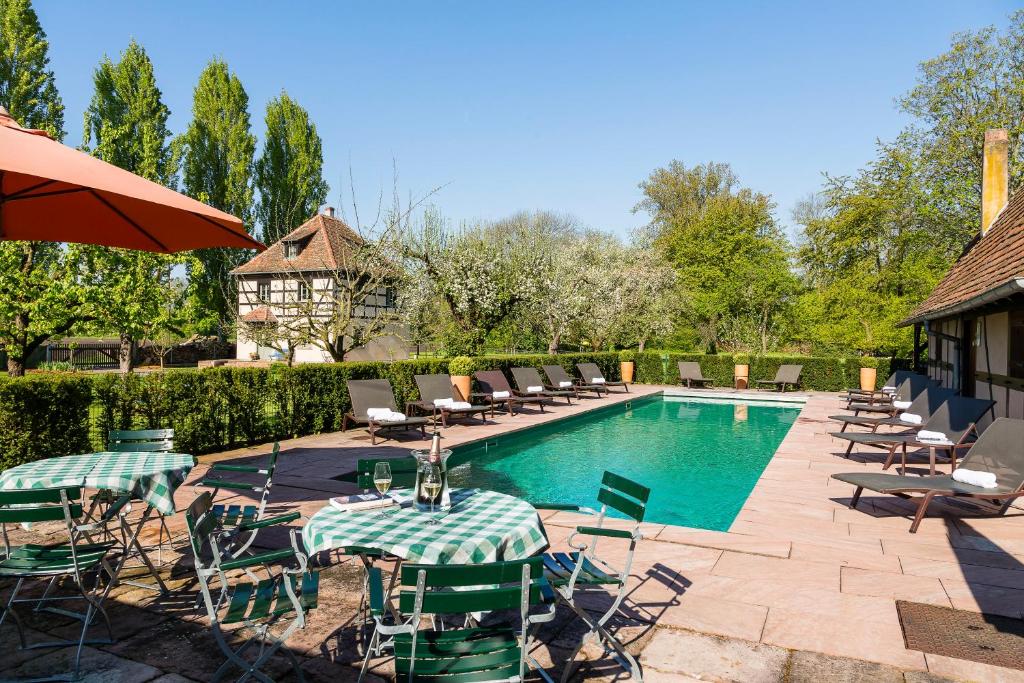
Itinerary to visit Sélestat in one day
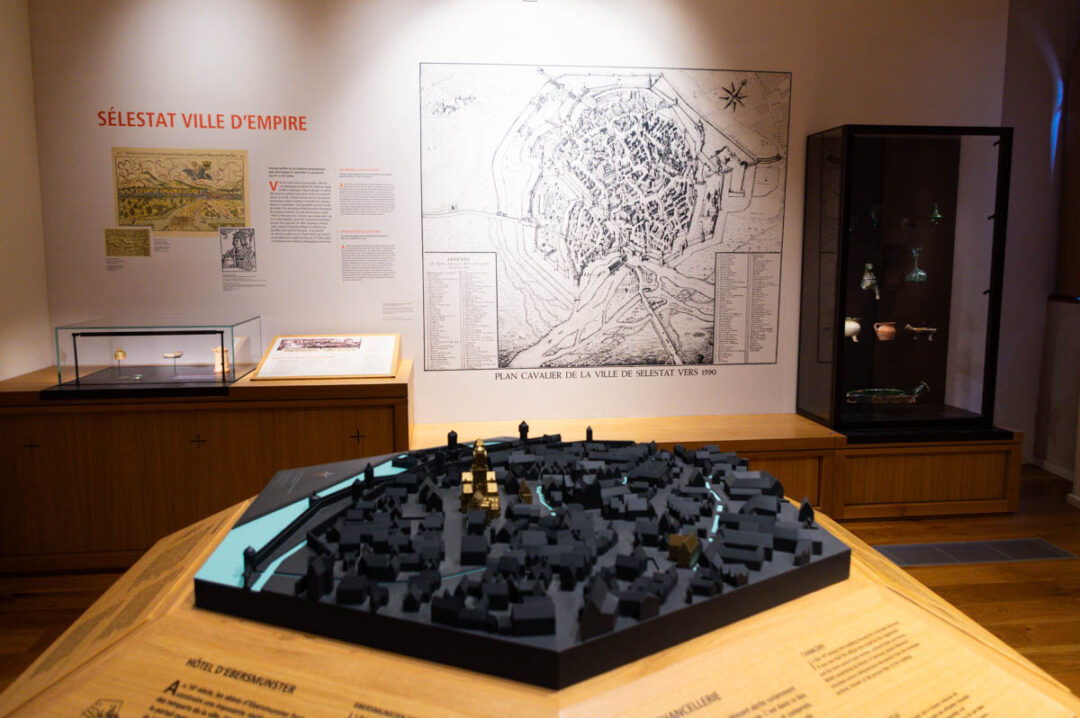
Although the city of Sélestat is relatively modest in size, it has a very rich historical heritage to discover. Due to its strategic position at the intersection of the two valleys of the Vosges and the road connecting Strasbourg to Colmar, it has played an important role since the Middle Ages.
In this article I suggest you to discover Sélestat in 1 day.
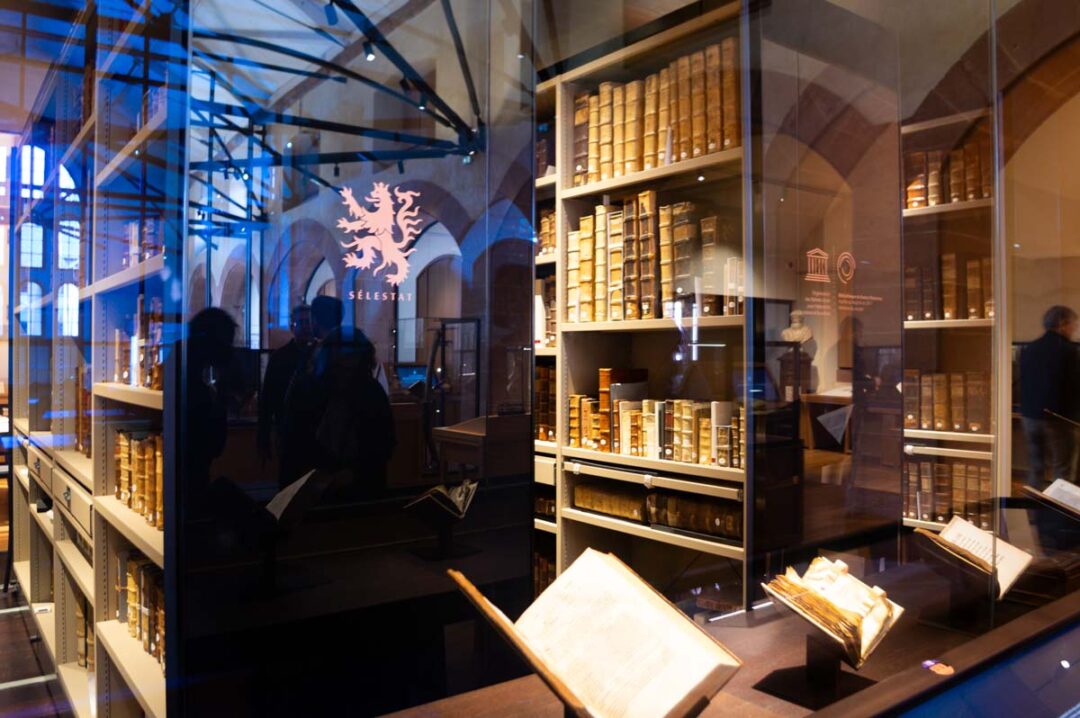
Visit the Humanities Library
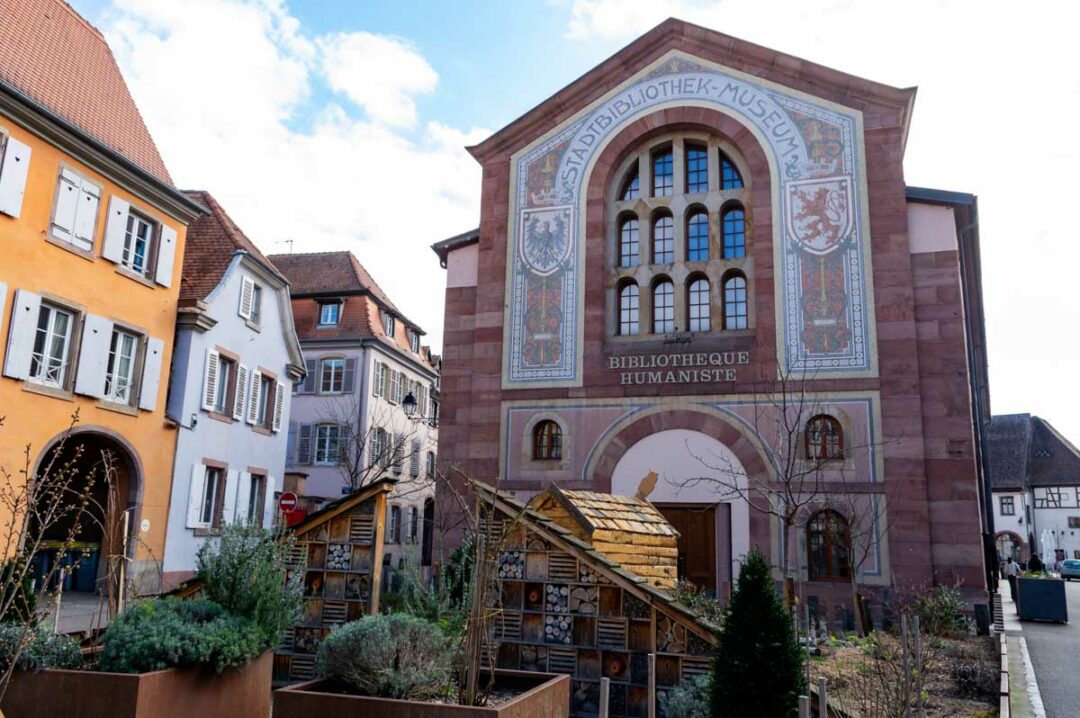
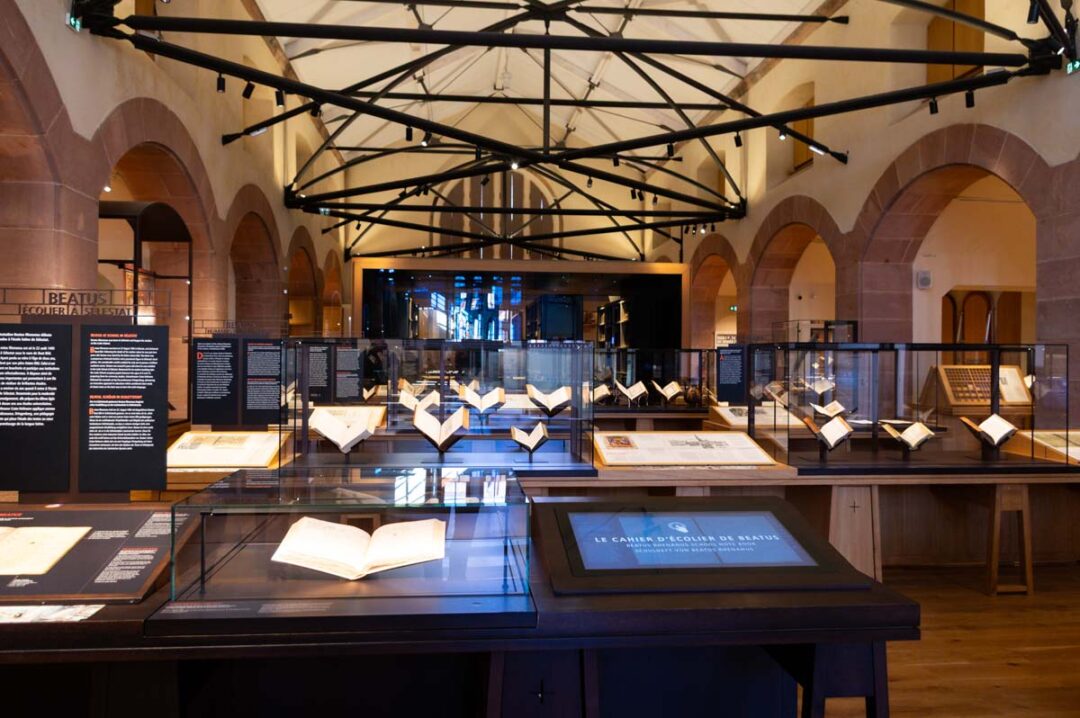
One of the essential visits to Celestat is visit to the Humanities Library whose priceless collections are registered UNESCO Memories of the World.
Collections the Humanities Library takes place in the old wheat market from the 19th century.
His collections are mainly constituted on the basis of 2 precious collections:
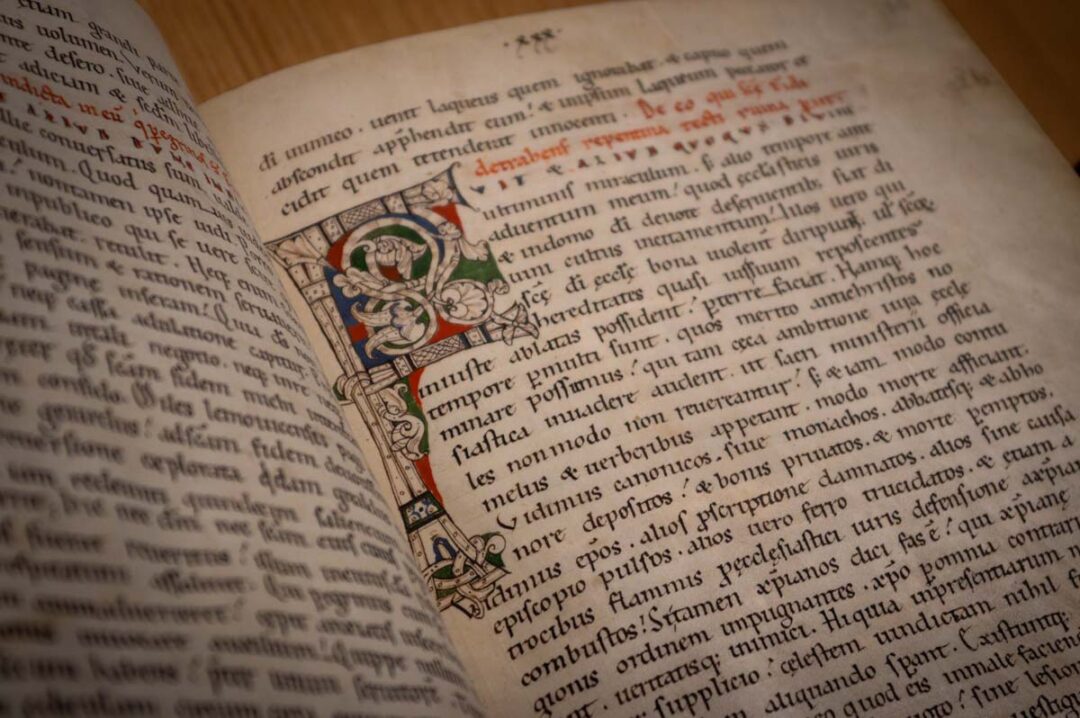
- the parish library which had a significant collection of medieval manuscripts
- the collection of the 16th-century humanist Beatus Rhénanus, originally from Selestat
- Donations are added to these two collections.
Visit to the Humanities Library will allow you to discover the story of the scientist Beatus Rhenanus (whom I did not know personally before my visit). Real name Beat Bild, this humanist born in 1485 is the son of a butcher from Selestat.
After attending the prestigious Latin school in Sélestat, he went to Paris to continue his studies at the College of Cardinal Lemoine. There he discovered the printing profession and became a proofreader. He made acquaintances with Alsatian humanists and became close to Erasmus of Rotterdam, whose texts he published.
When he died in 1547, he bequeathed his entire library to the city of Selestat.
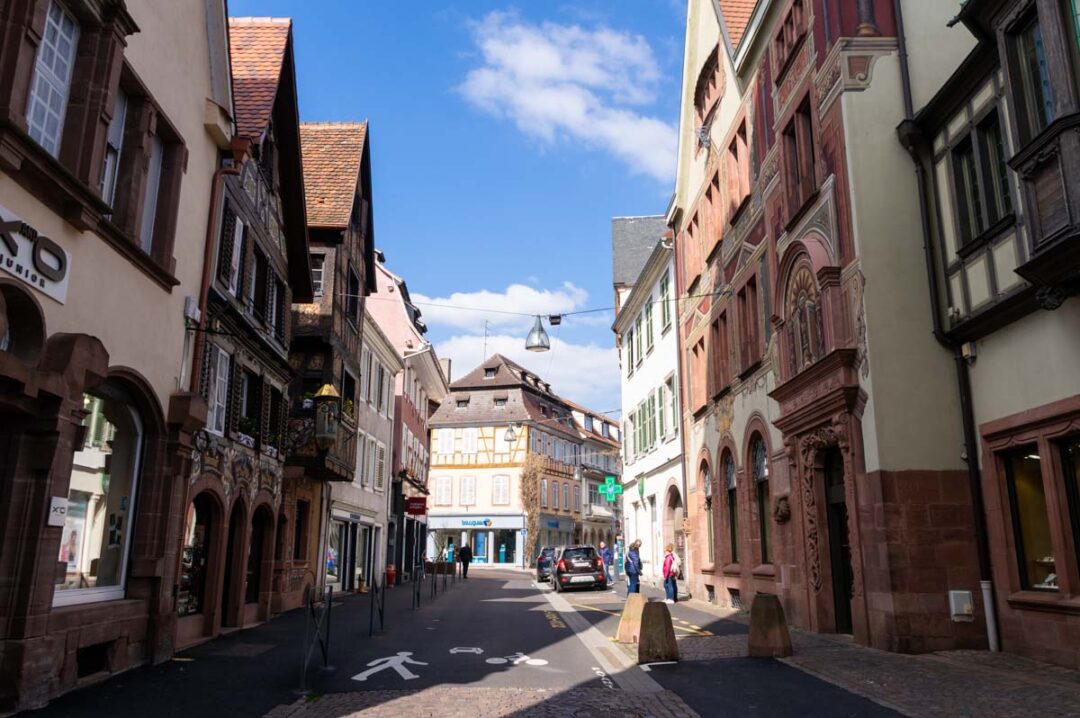
Visit the city center of Sélestat on foot along the “Footsteps of the Lion and the Stele of the Giant” route
To discover the whole legacy of SélestatI recommend that you go to the city’s Tourist Office or to Humanities Library to request a free brochure Route of the “Lion Footsteps and Sletto Giant” tour..
This road with signs will allow you to discover the most important locations of the city in 24 stages. The circle is marked on the ground with arrows that you just have to follow.
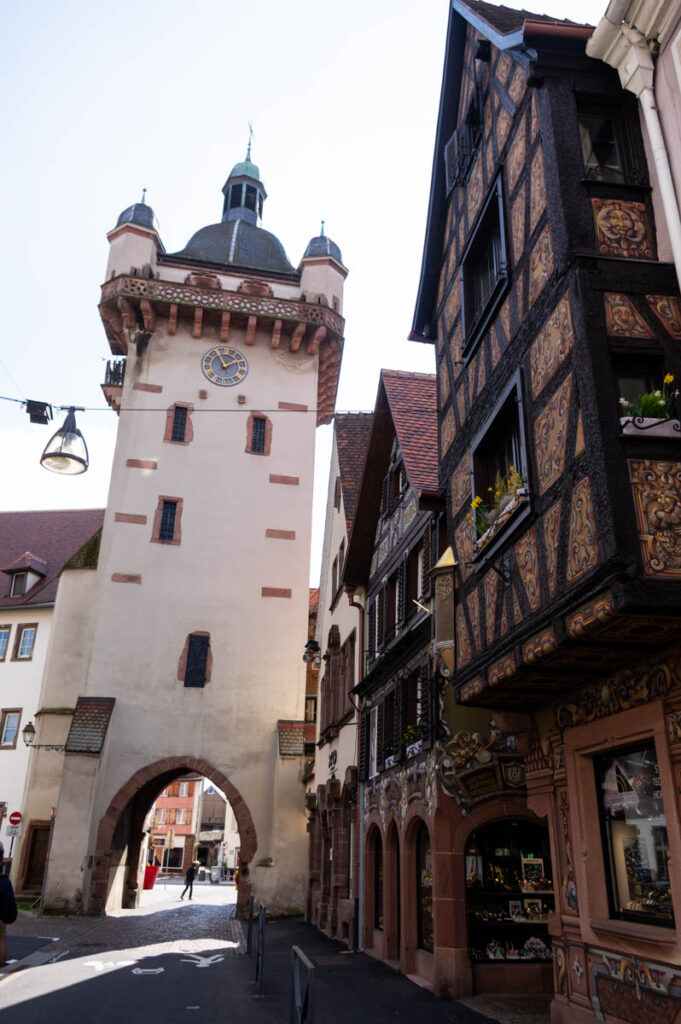
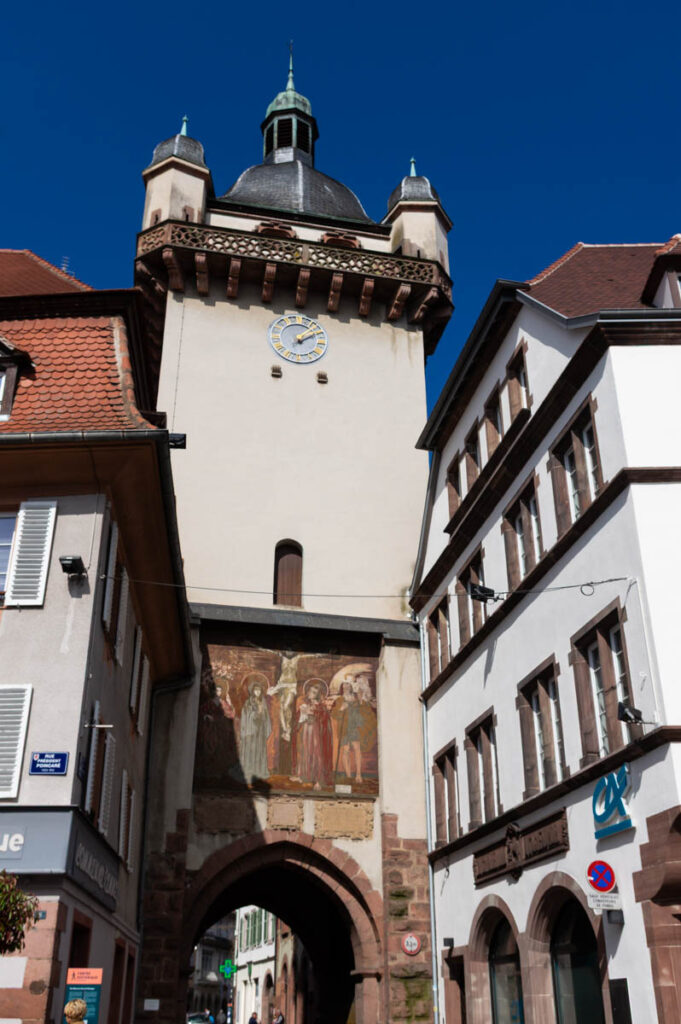
New tower
In 1217, the Holy Roman Emperor raised Selestat to the rank of imperial city. Sélestat then took off significantly and the first fortification was built from it New tower (or Clock Tower) is a part.
The Tanners’ Quay
The development of the city was very important during the Middle Ages. Corporations, as well as tanneries, play a very important role in the development and economic development of the city.
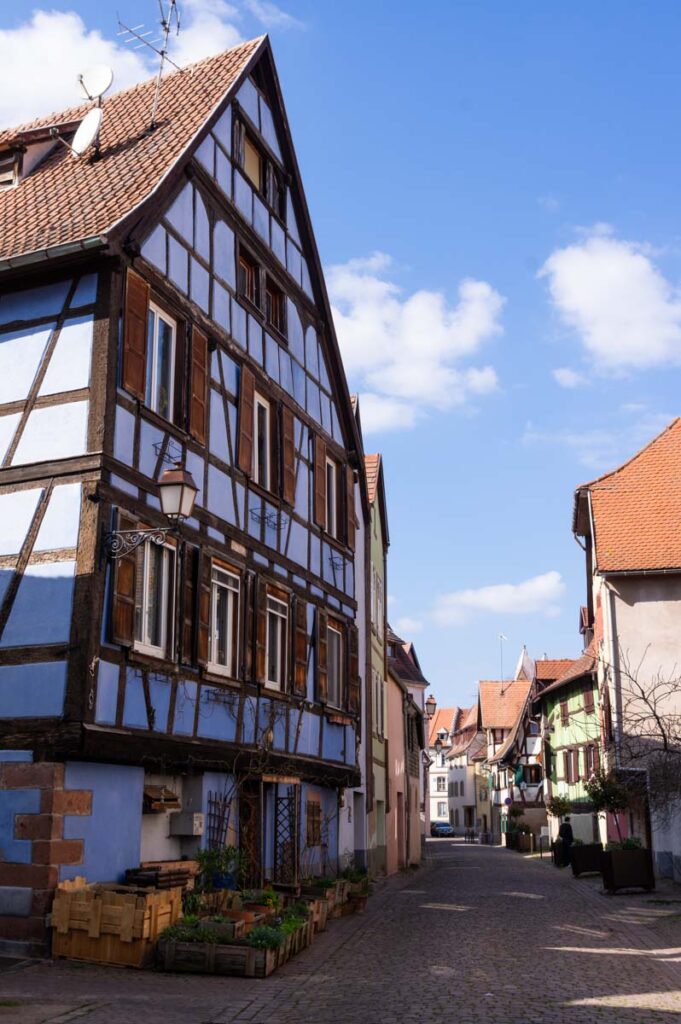
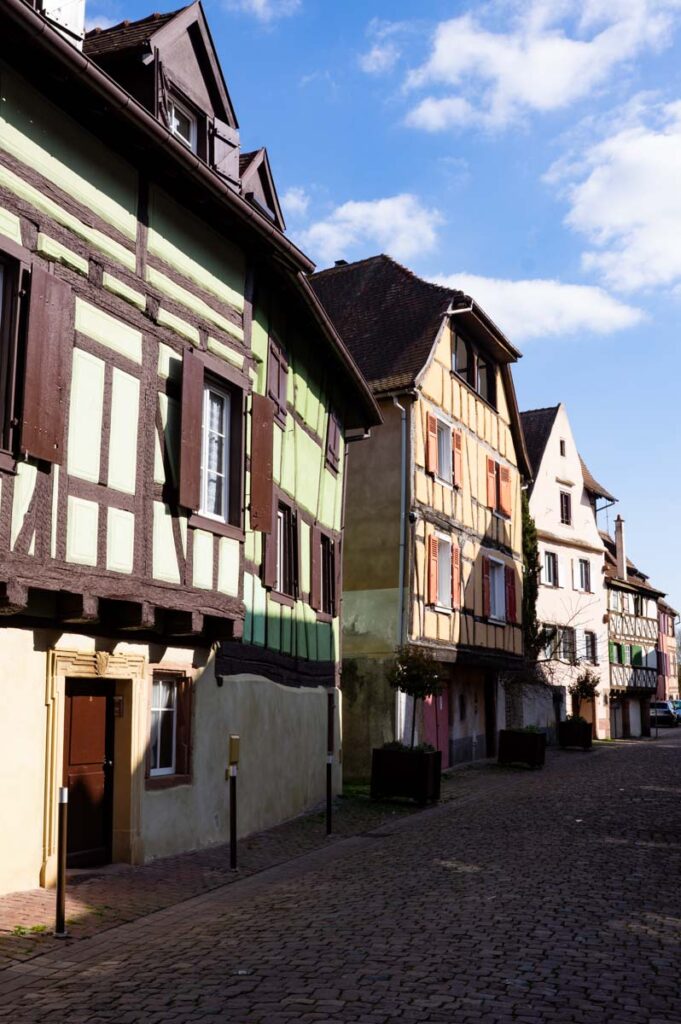
The Tanners’ Quaywith its perfectly preserved wooden houses, it is one of the most picturesque streets in the center of Sélestat. In the Middle Ages, all the tanners were grouped in the same place, near the river Ill and a little further from the city, because tanning is smelly.
Fish Market Square
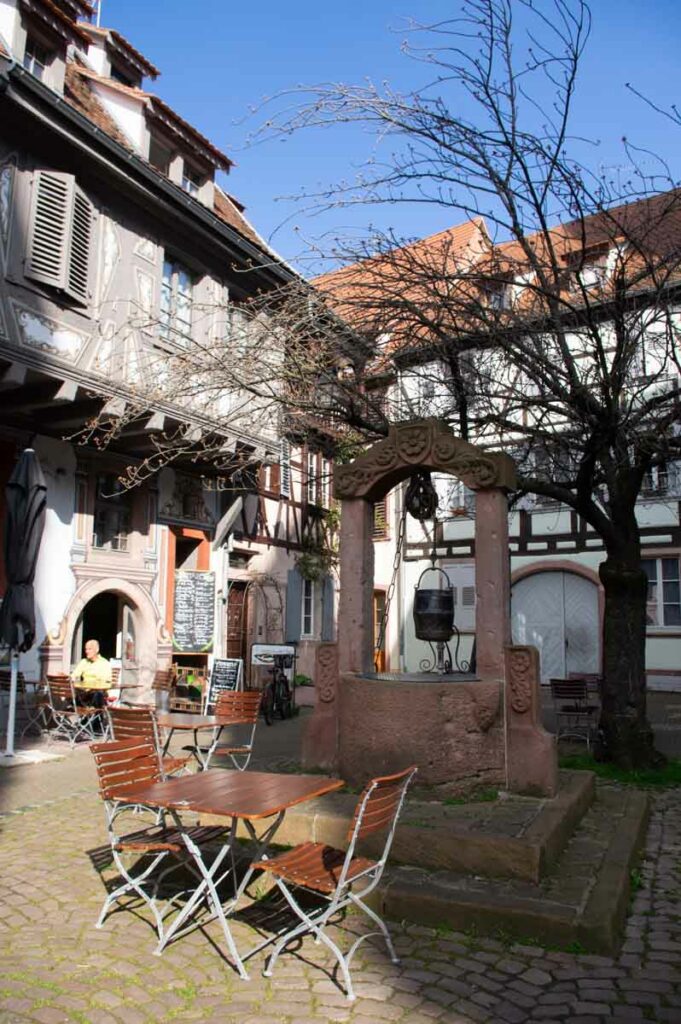
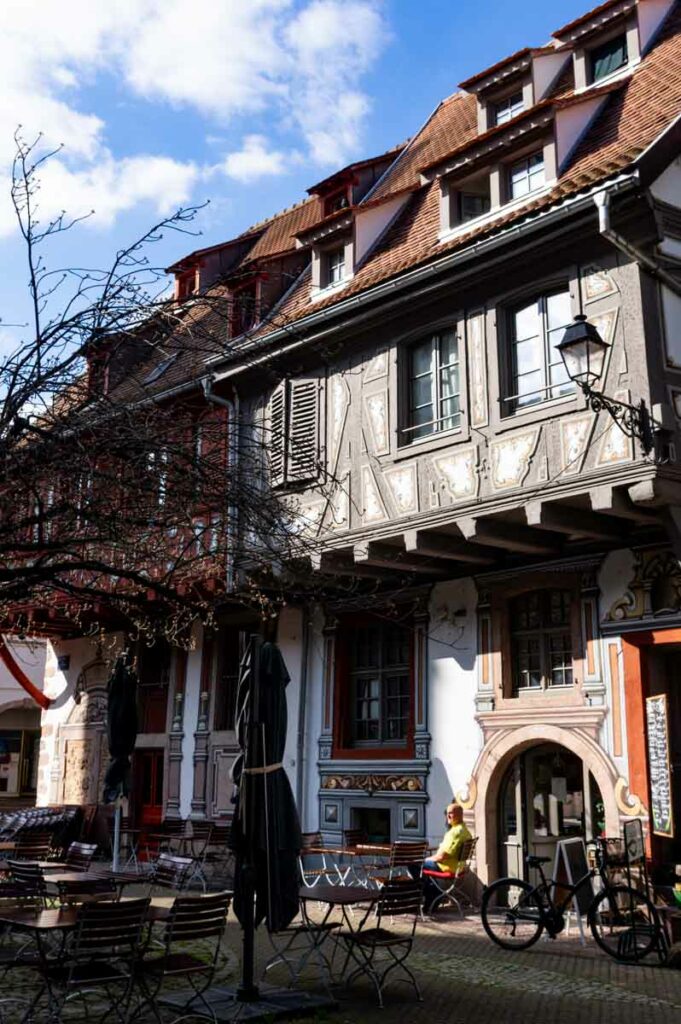
In the Middle Ages, Sélestat was a very commercial town with the existence of numerous markets that today have given way to very beautiful squares that bear the name of markets such as the Place du Marché aux Poissons located next to the Sainte-Foy church.
Benedictine Church of Sainte-Foy
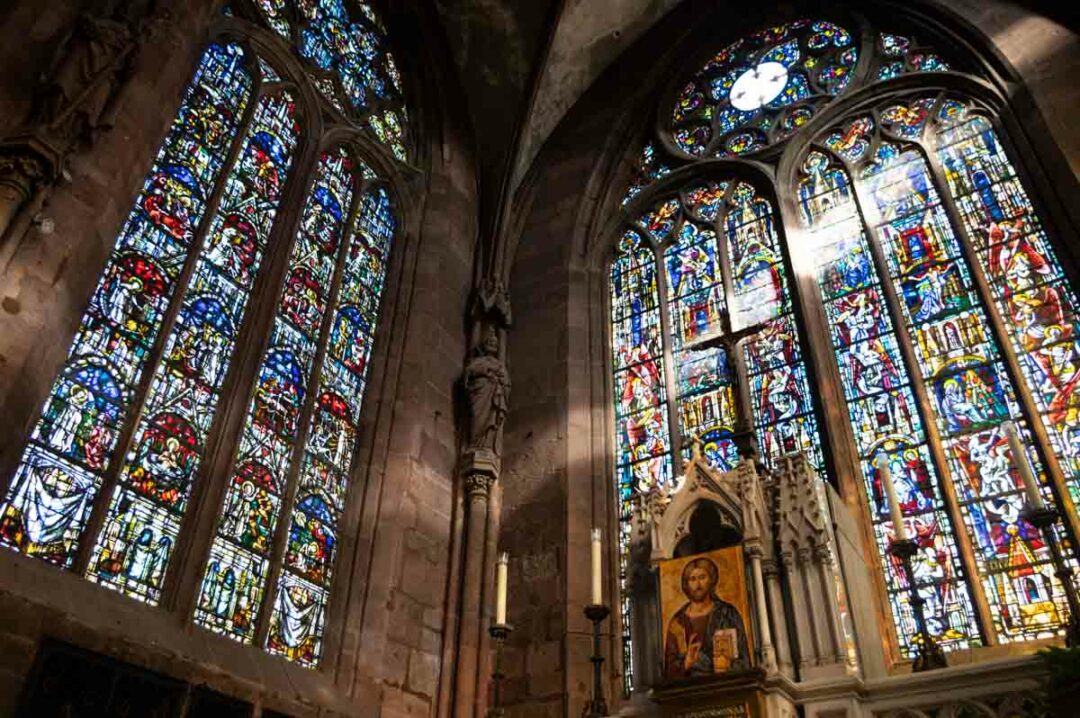
You may be surprised when you visit Sélestat to discover two equally imposing churches almost next door: the Benedictine Church of Sainte-Foy and the Church of Saint George.
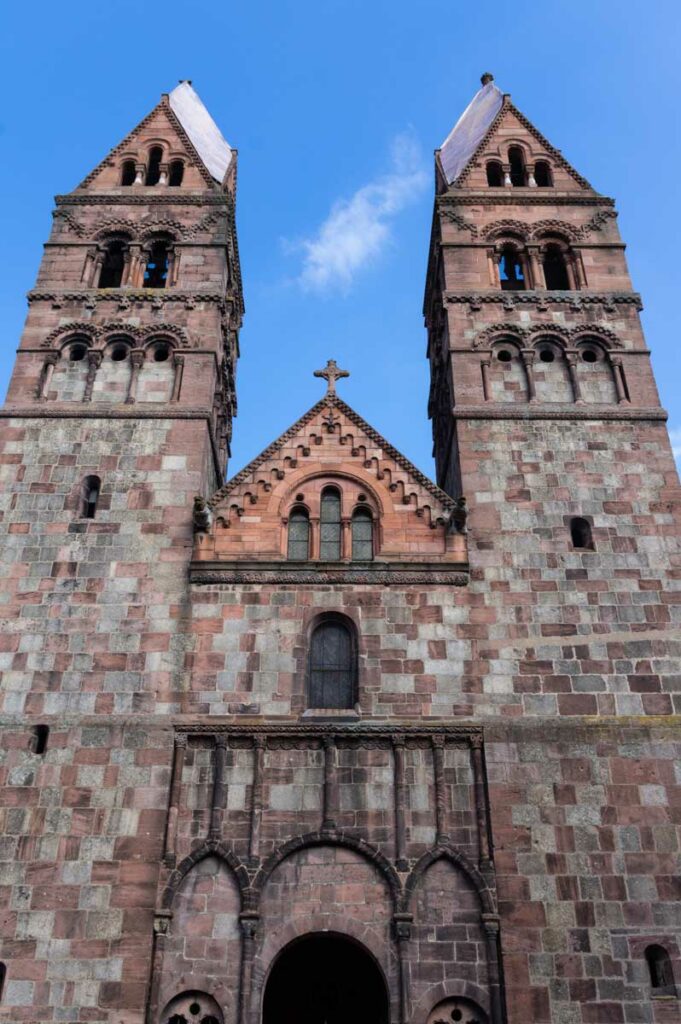
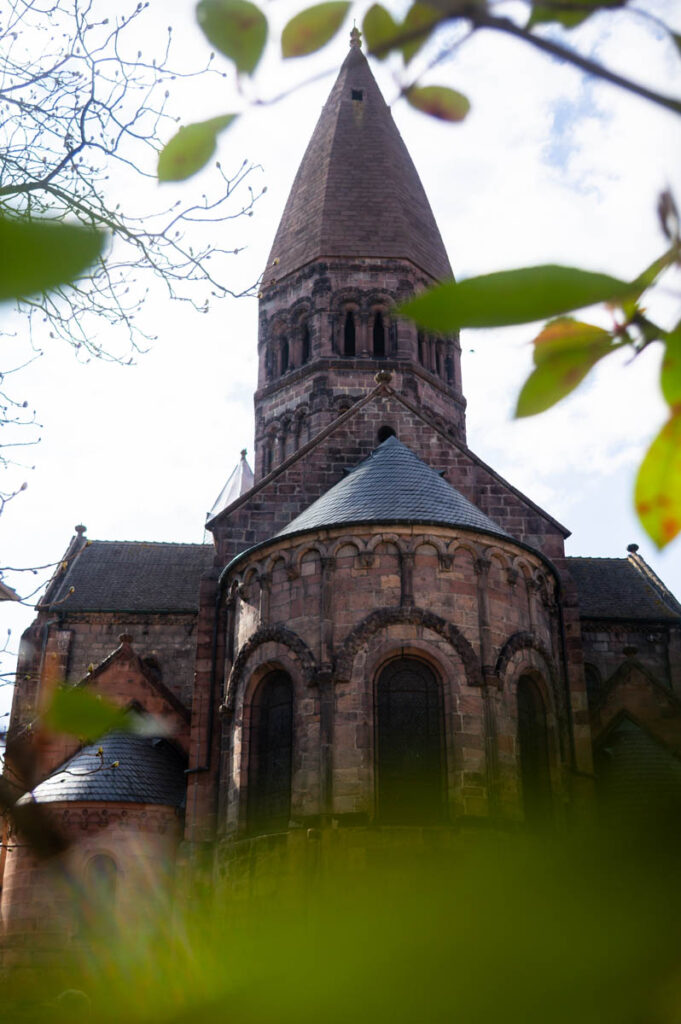
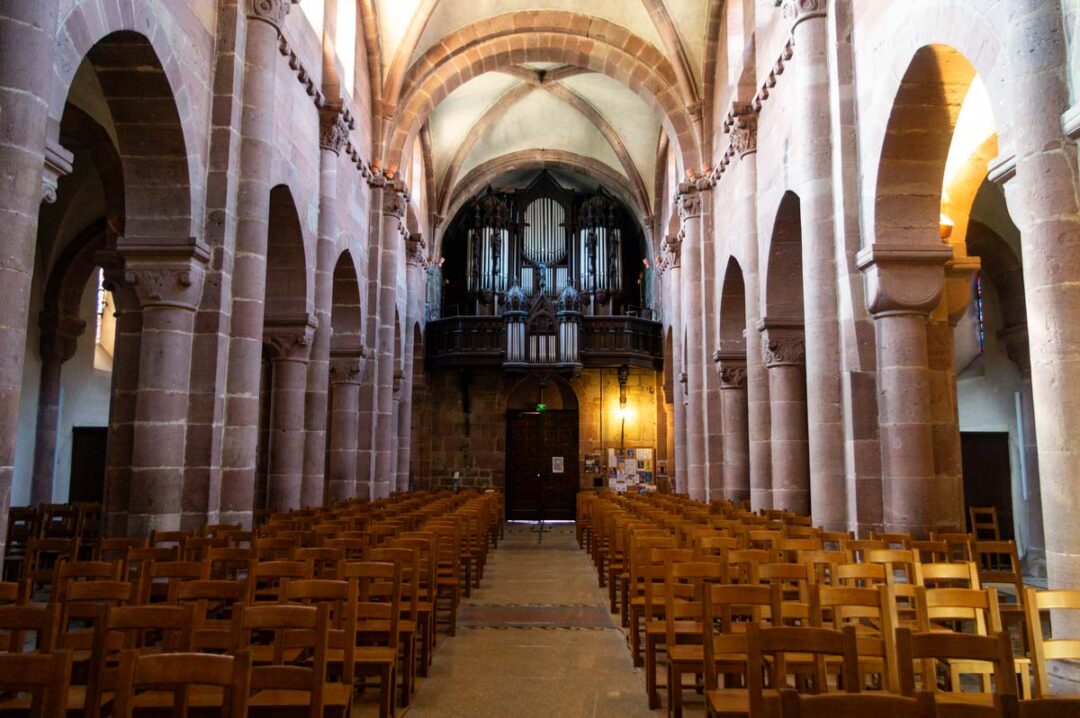
Parish Church of Saint-Georges
The Church of St. George was built just a few steps from the Church of Sainte-Foy at the request of the city’s bourgeoisie, which wanted to establish itself as a rival to the Benedictine order.
What to see around Sélestat?
Visit Château du Haut Koenigsbourg
Famous Château du Haut Koenigsbourgone of the most impressive historical sites in Alsace, it is located on the heights of Sélestat at the foot of the Vosges massif.
To visit this medieval high place – restored at the behest of the German Emperor William II in the early 20th century – it is possible to take a shuttle that connects the castle with the Sélestat station.
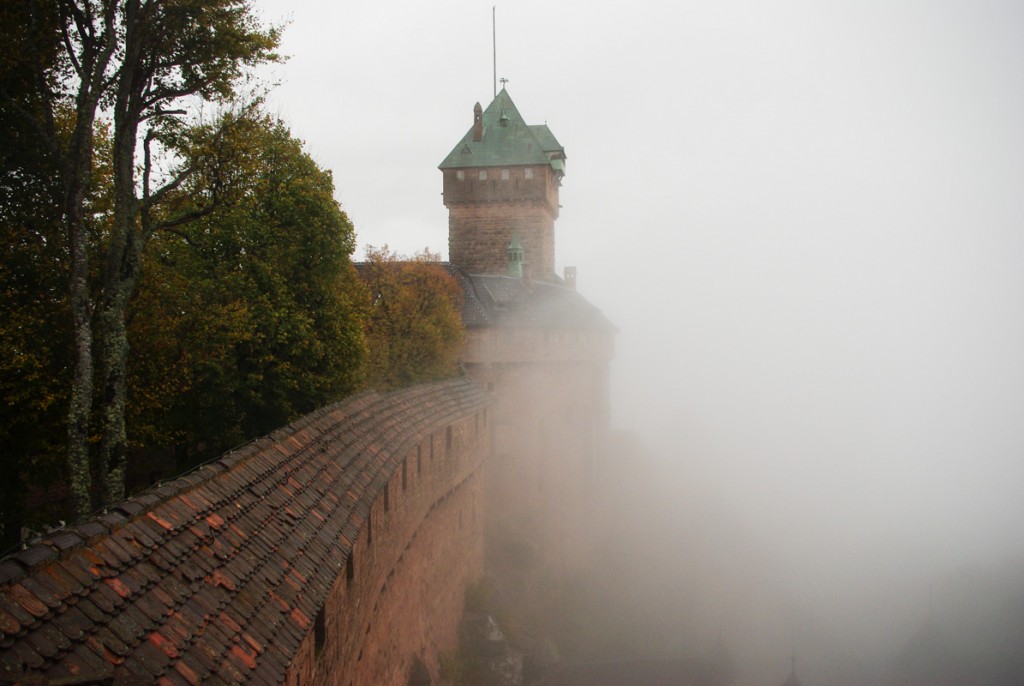
Find my full article on visiting Château du Haut Koenigsbourg here
Travel the Alsace wine route by bike
Sélestat is located not far from the Alsace wine route that connects Marlenheim and Thann. Alsace is a very beautiful region to discover by bike, and exploring the wine route from Sélestat is a good idea.
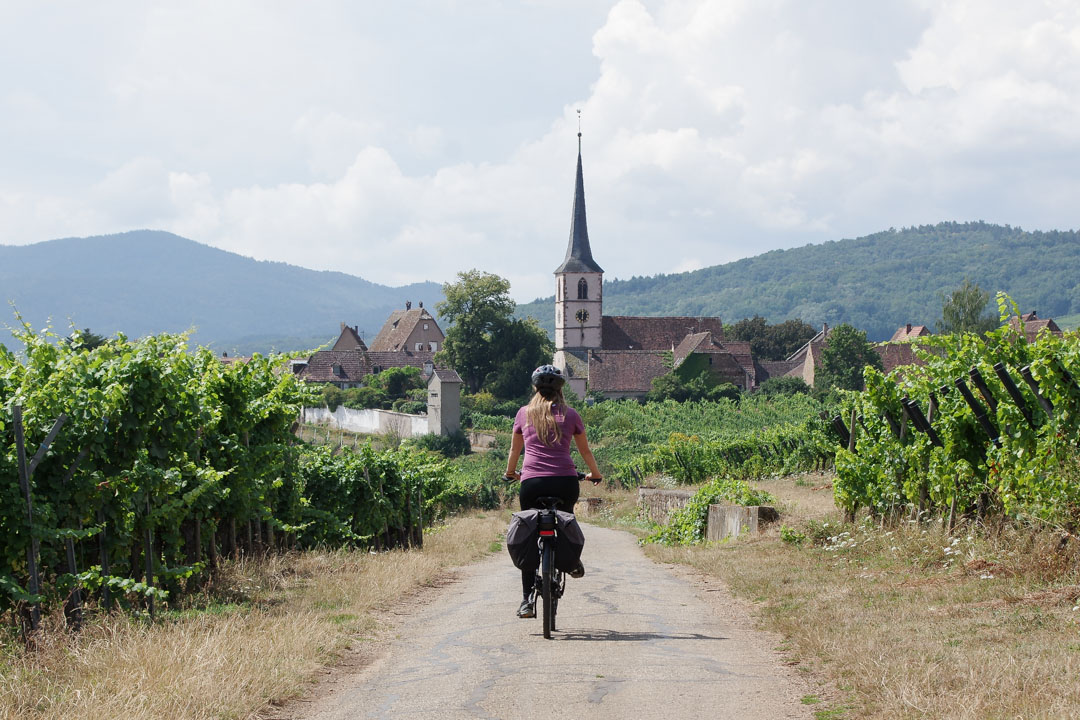
Find my full article on the Alsace Wine Route by bike here
Visit the most beautiful villages of Alsace
Alsace has a large number of villages, each more charming than the last. Among these beautiful villages, Riquewihr and Ribeauville are located not far from Sélestat. You can easily reach them by car or even better by bike using the wine route.
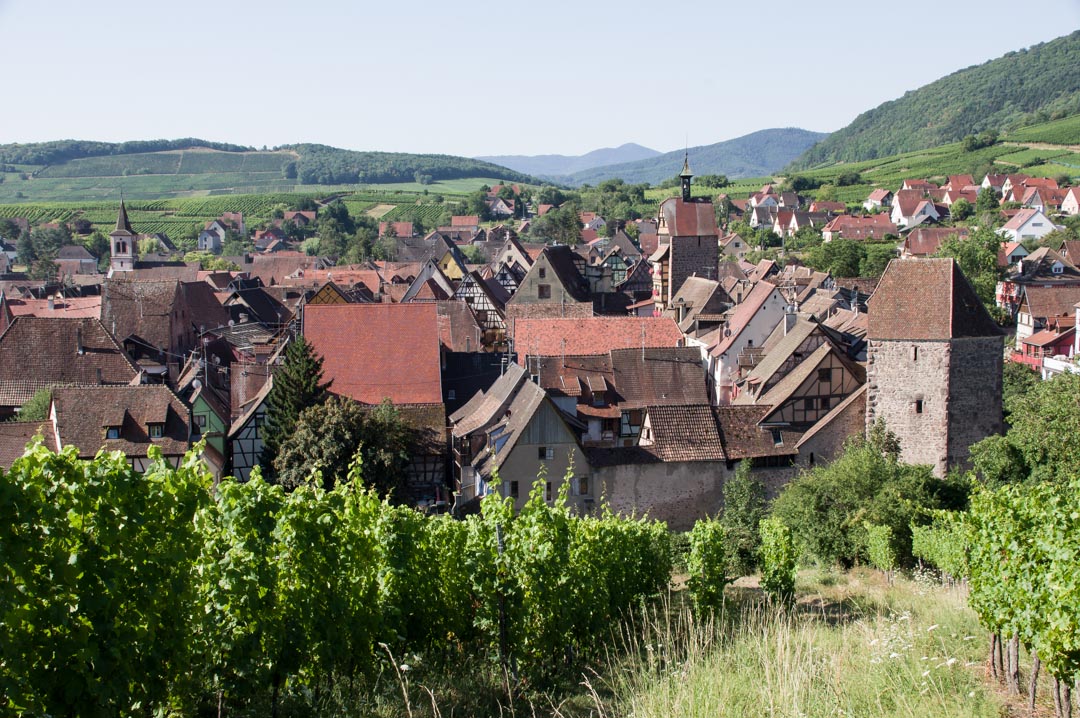
Find my article on the most beautiful villages in Alsace here
Visit Strasbourg
The capital of Alsace is very easily accessible from Sélestat thanks to the very frequent TER network. Nothing could be simpler to explore Petite France.
Find here my article to visit Strasbourg in 3 days
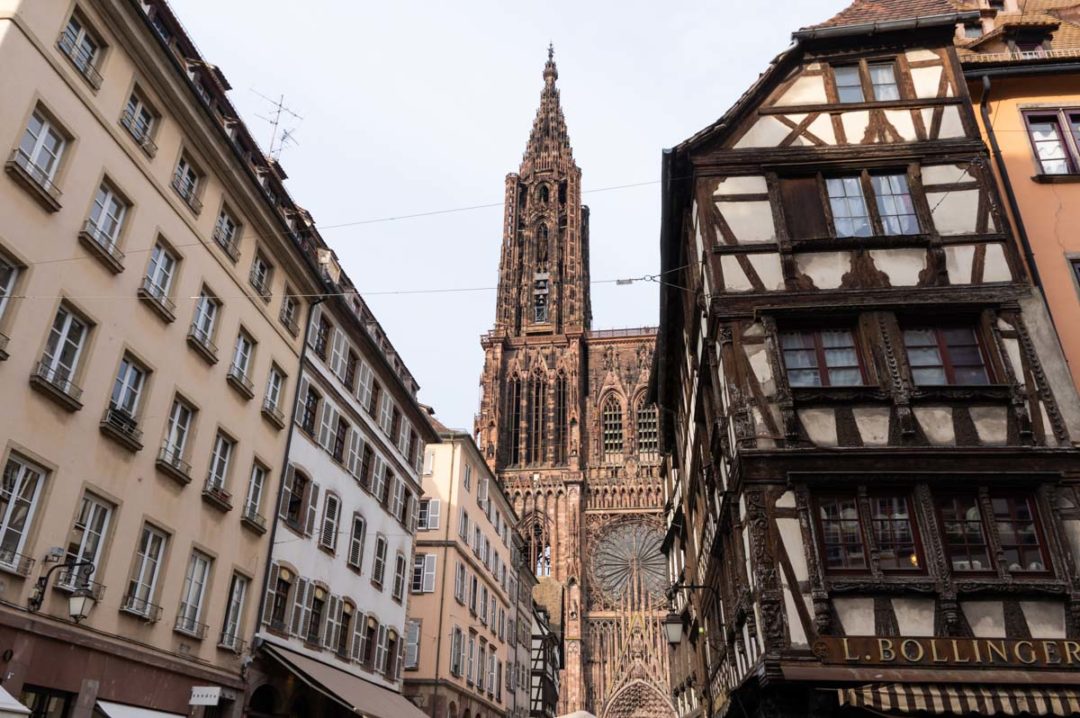
Visit Colmar
Just like Strasbourg, Colmar is a very easy destination to access from Sélestat. In less than 30 minutes you can discover one of the jewels of Alsace and take a boat trip to the famous Little Venice.